
Basement wine cellar waterproofing - Doncaster
Negative-side basement waterproofing
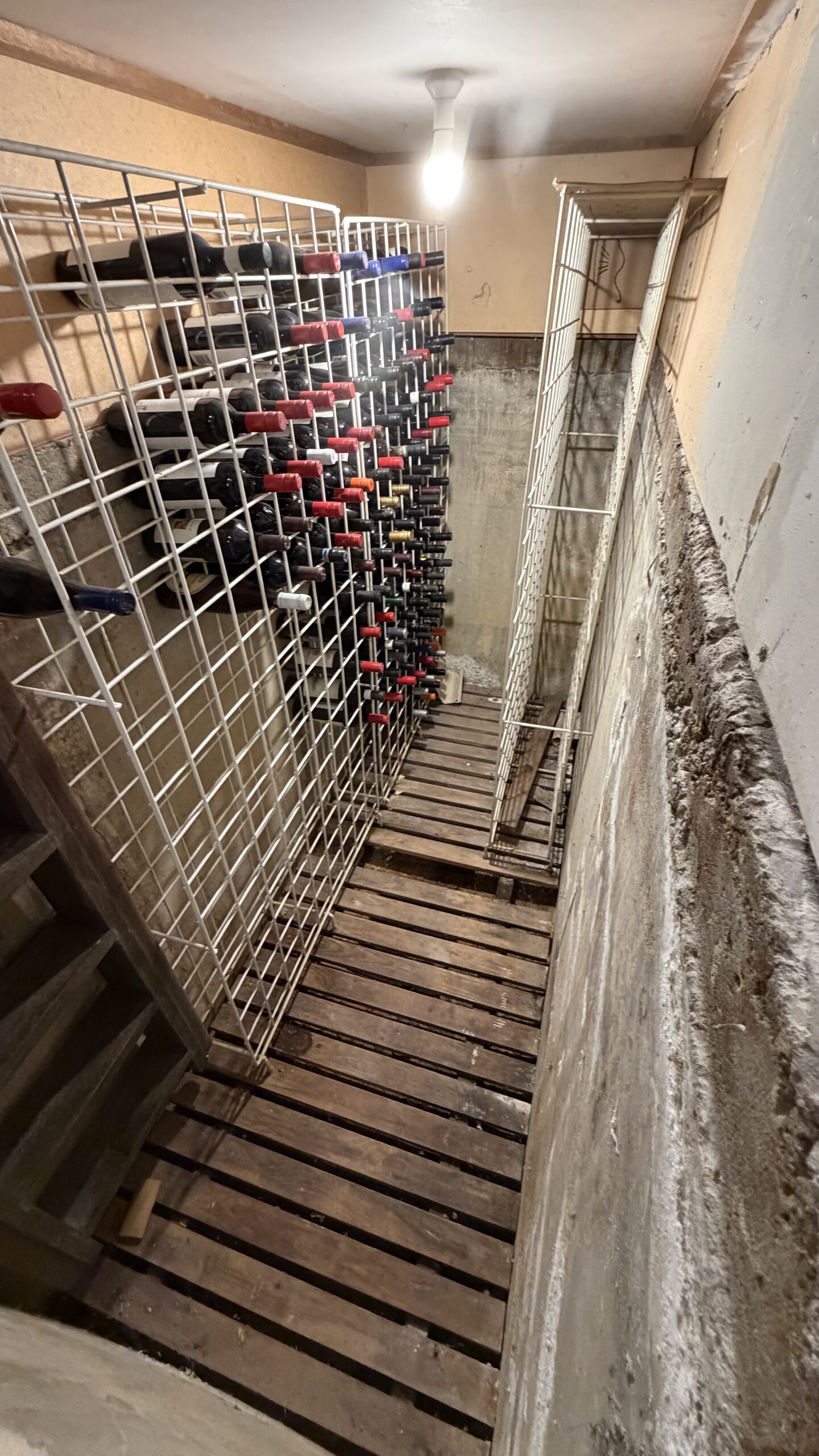
Problem: Water ingress and toxic mould spore accumulation in a basement wine cellar
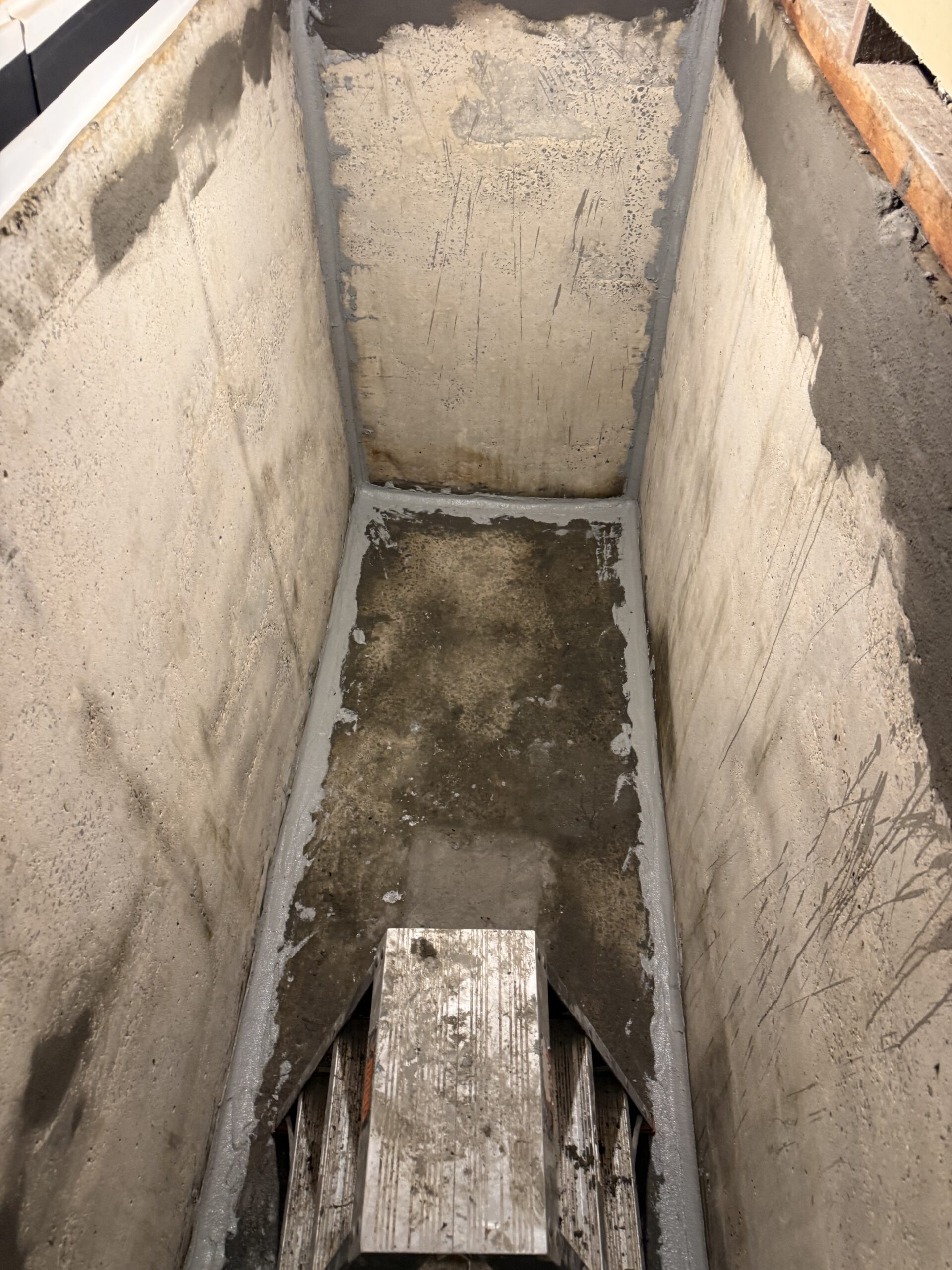
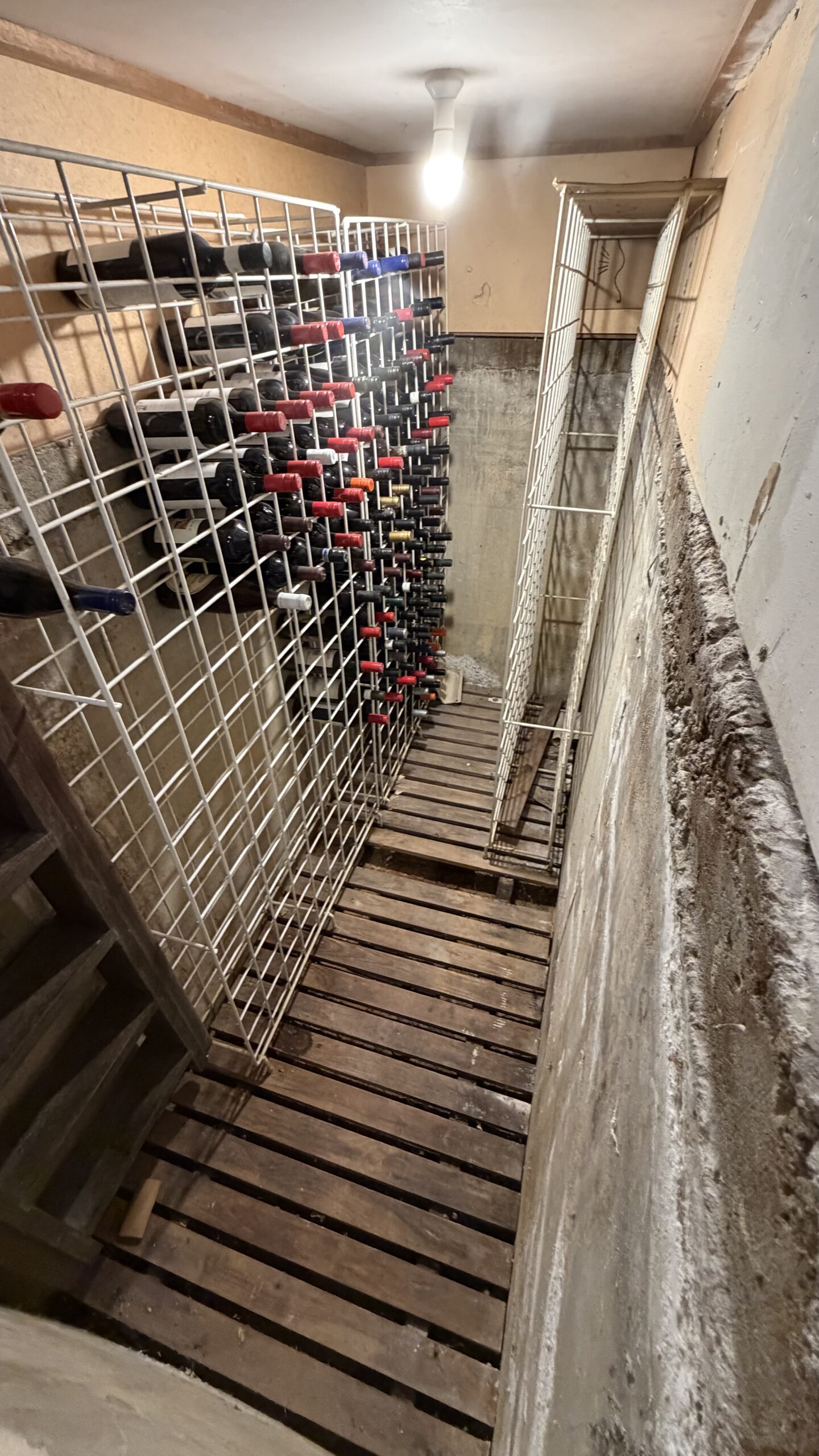
Schaefer Waterproofing was contracted to deliver our specialist basement waterproofing services to address severe water ingress, efflorescence, and moisture issues within a subterranean wine cellar on High Street, Doncaster. Hydrostatic pressure was pushing ground moisture through the masonry underground walls, transforming an unventilated storage space into a high-humidity environment. Without intervention, the persistent moisture threatened both the home’s air quality and the structural integrity of the basement masonry.
Symptoms identified
- Damp, musty smell: Stagnant, humid air trapped in an unventilated underground space due to persistent moisture ingress.
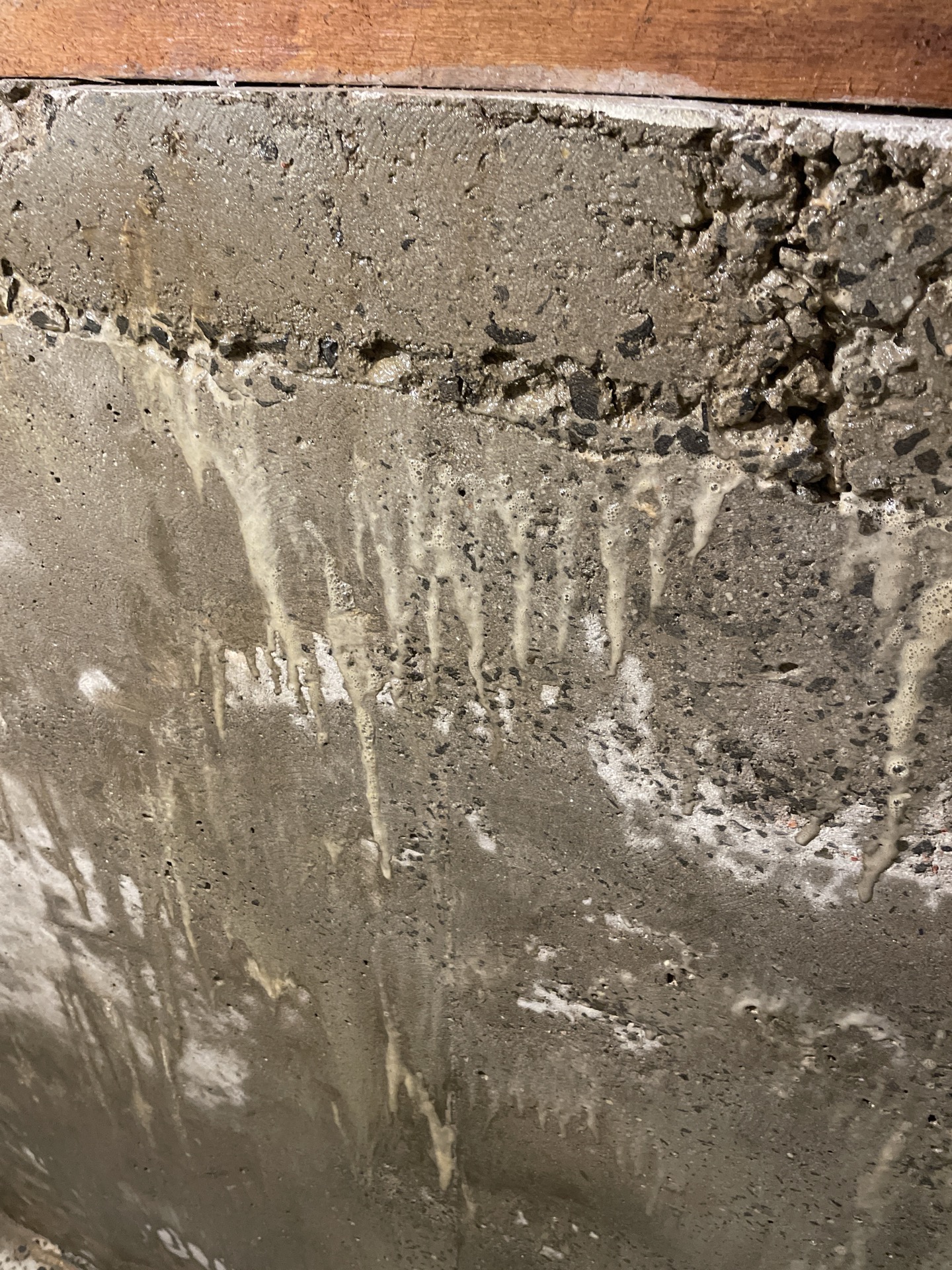
- Efflorescence buildup: White salt deposits leaching through the porous basement masonry walls.
- High mould spore count: Rapid mould growth across damp underground surfaces due to zero mechanical or natural ventilation.
- Absence of ventilation: Lack of air exchange was compounding humidity, mould growth, resulting in poor indoor air quality.
Urgency factors
- Health risk: High indoor mould spore counts posing direct risks of respiratory issues and chronic health complications for the home’s occupants.
- Property deterioration: Hydrostatic water pressure continuously eroding substrate integrity and expanding salt efflorescence.
Solution: Proven process for negative-side basement waterproofing
To eliminate toxic mould growth, block water ingress, and render the wine cellar completely dry and safe, we installed a heavy-duty negative-side basement waterproofing system.
Recommended solution
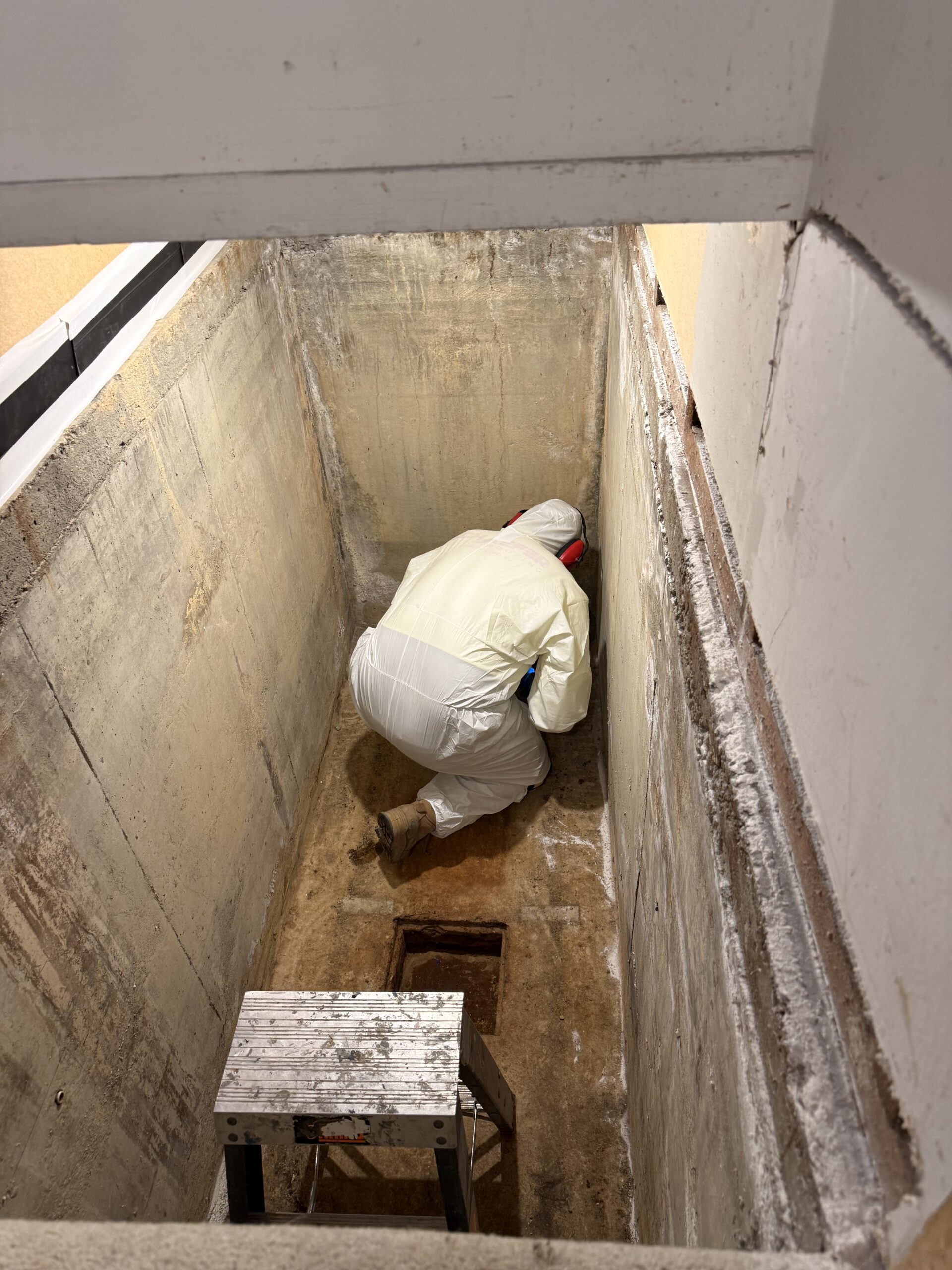
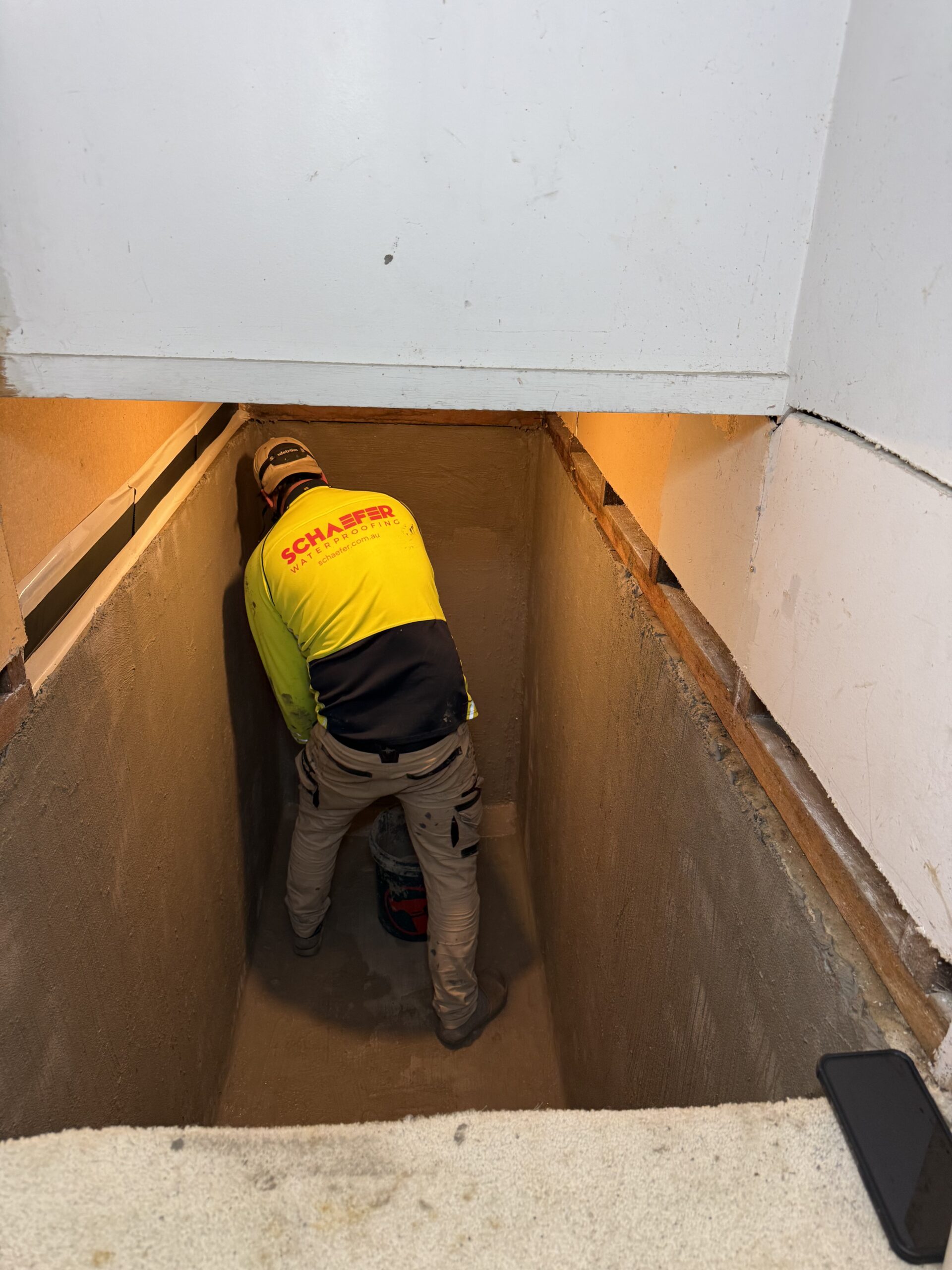
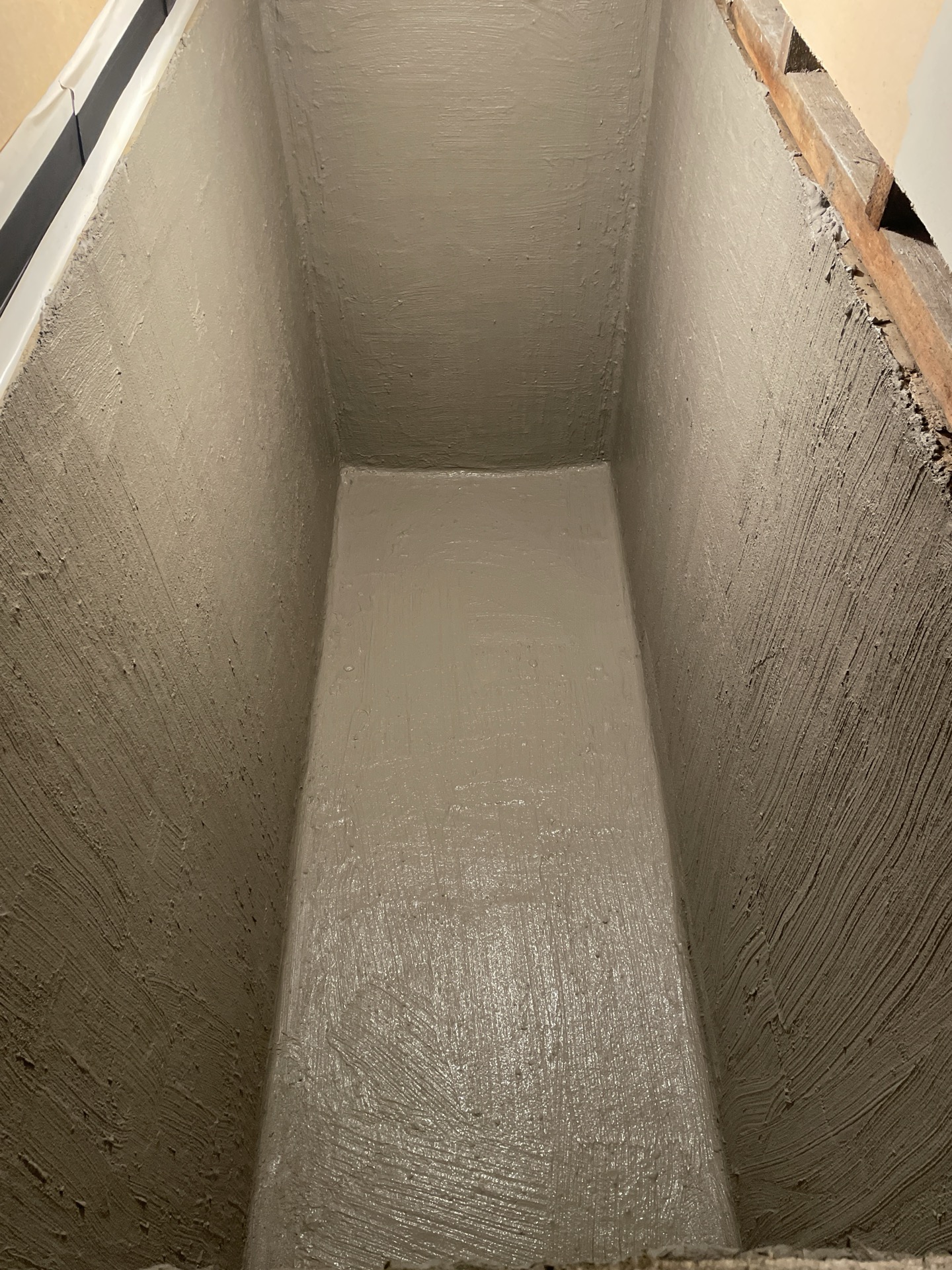
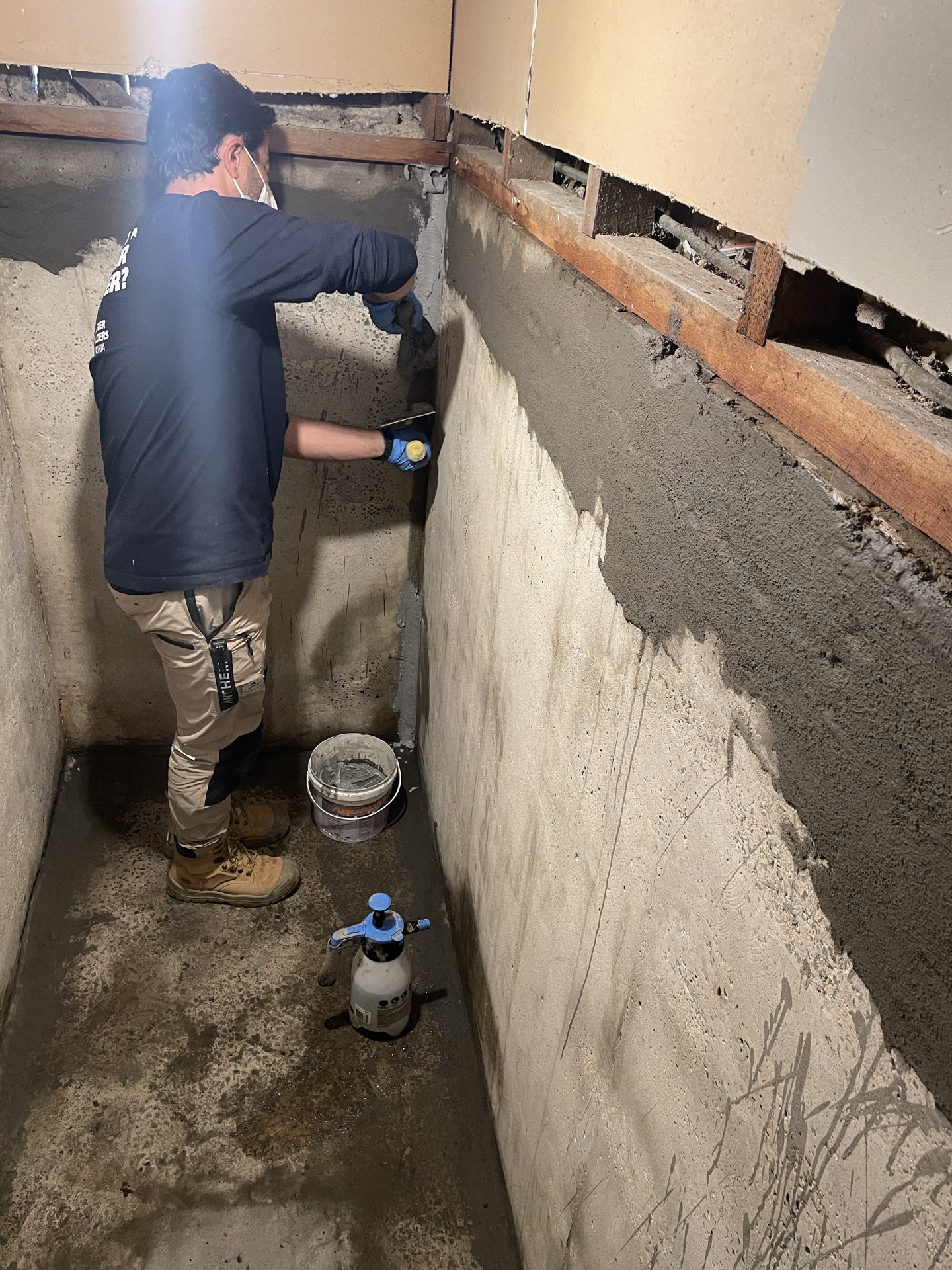
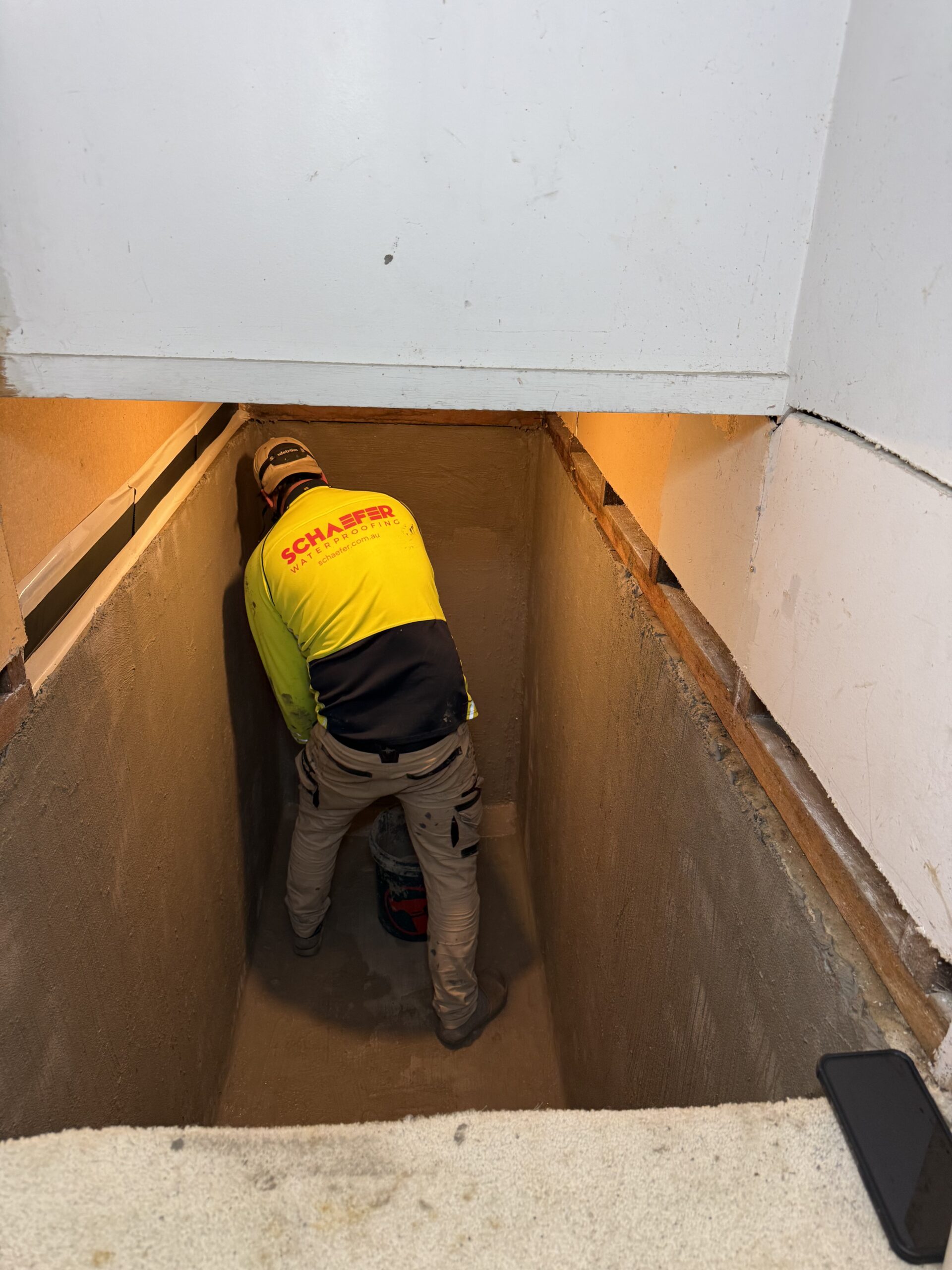
Isolate the work zone to contain dust, followed by chemical decontamination and diamond grinding of all masonry surfaces. Install fast-setting hydraulic water plugs to seal floor-to-wall junctions and structural cavities, before applying a masonry blocker and three coats of industrial-grade flexible waterproofing membrane.
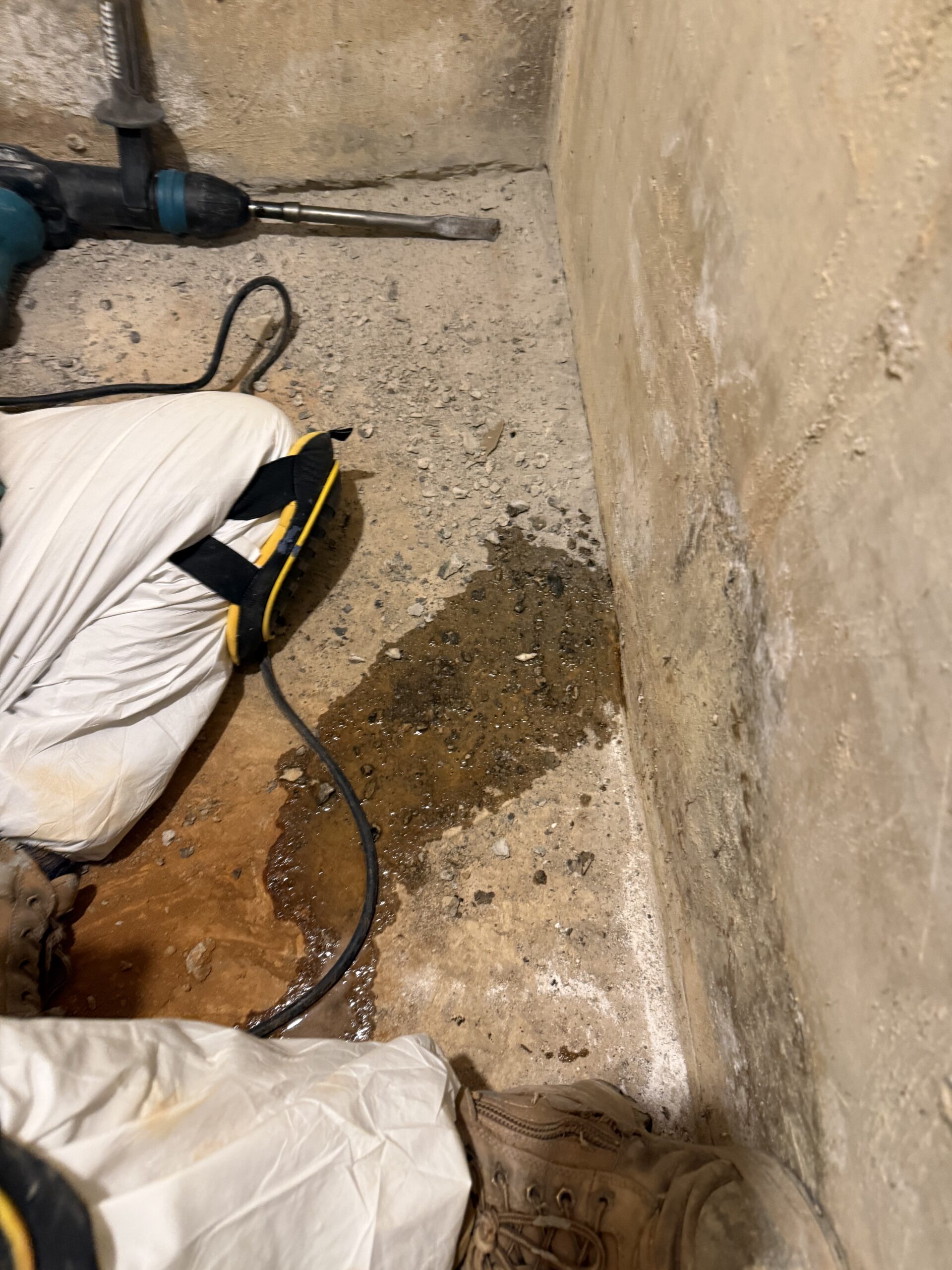
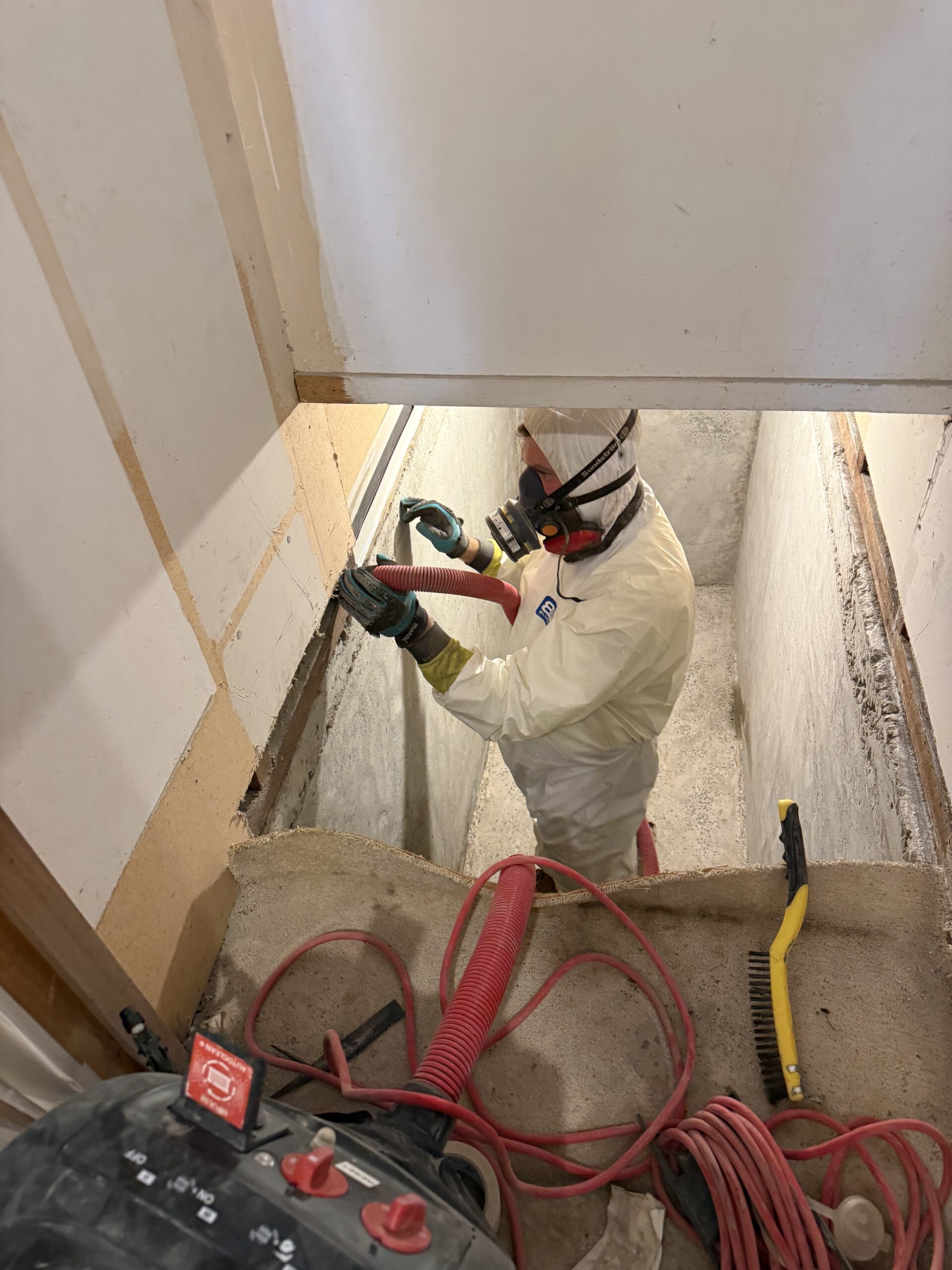
Our remedial waterproofing process
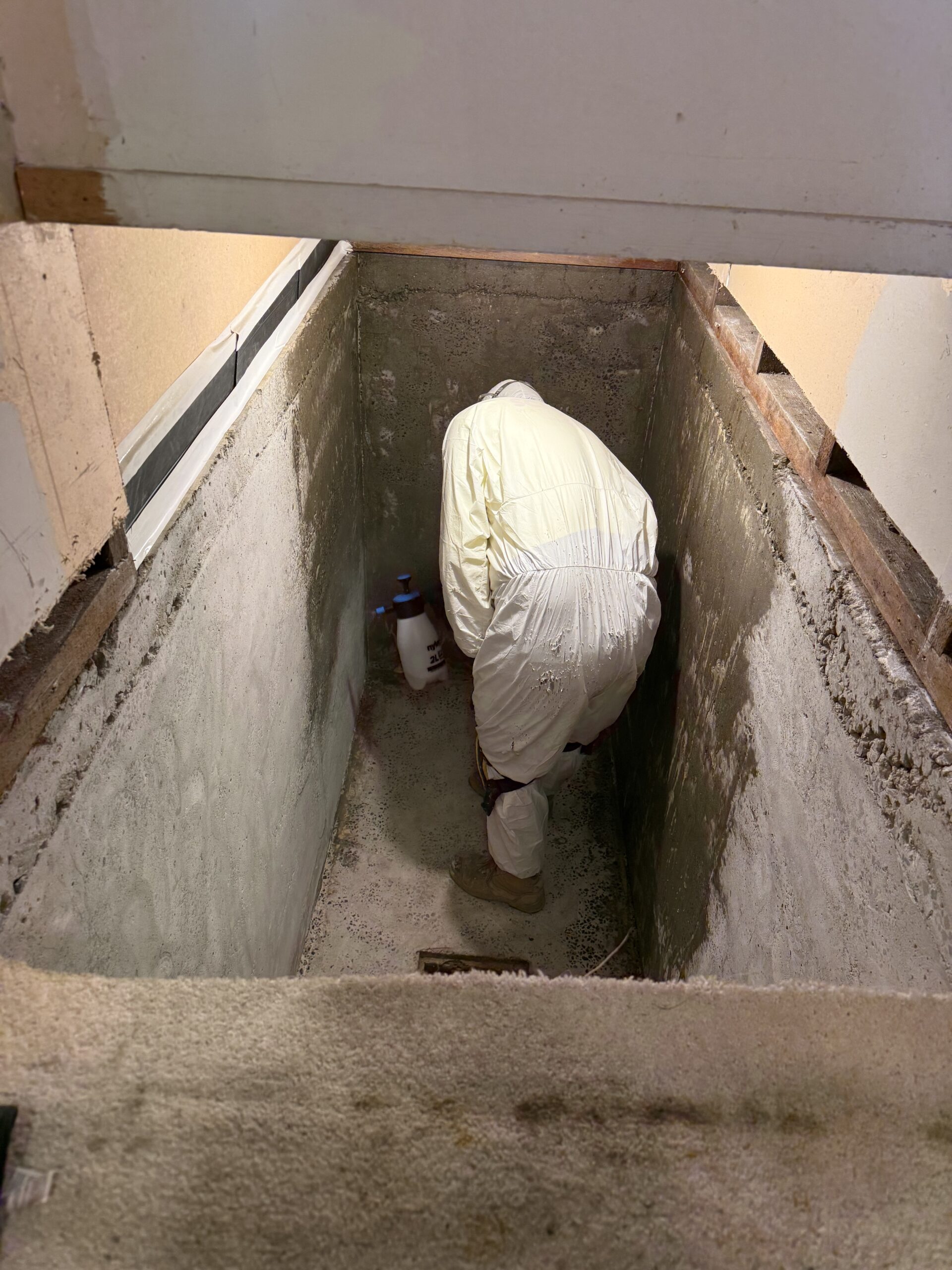
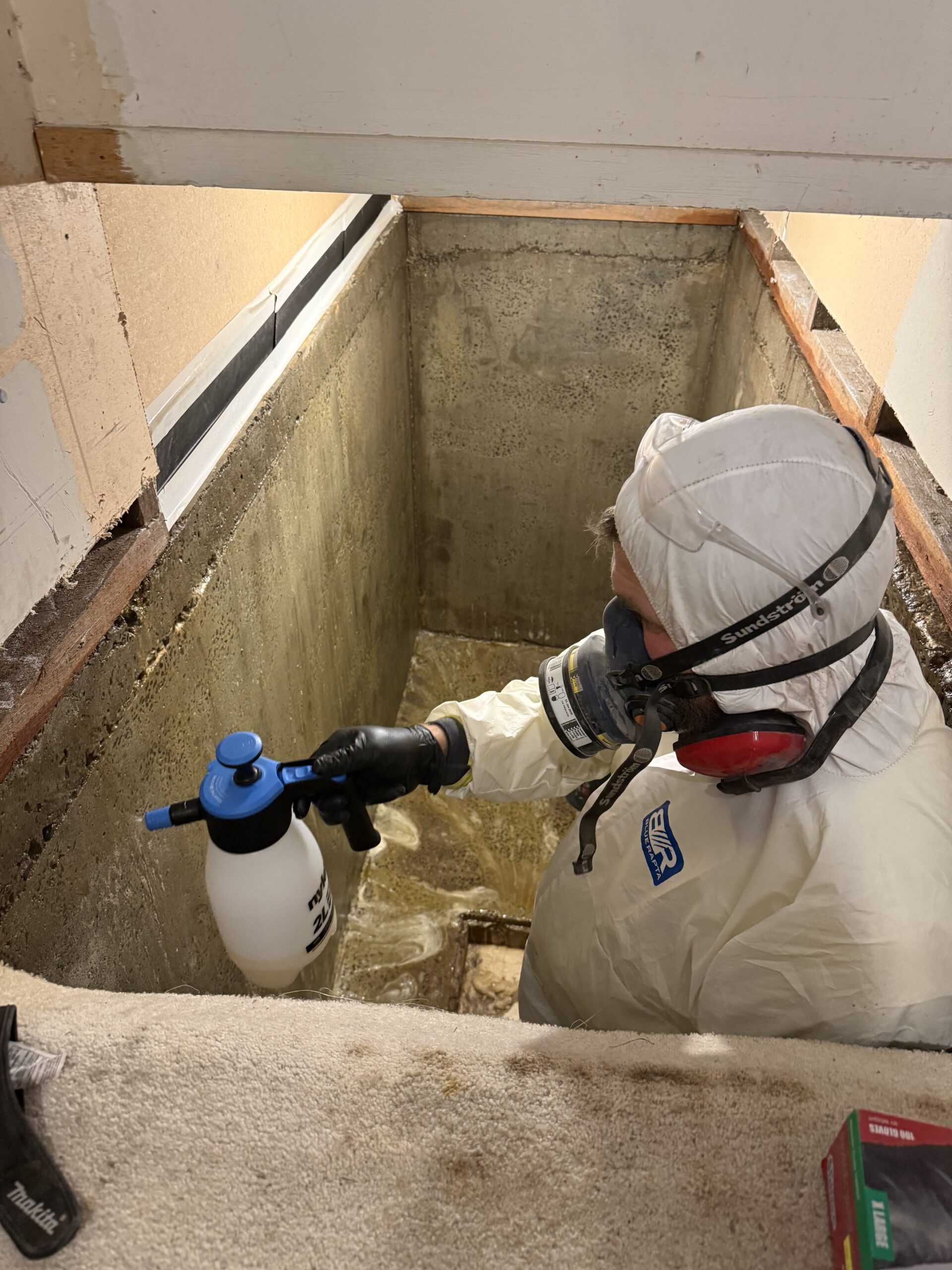
- Containment and Dust Extraction:
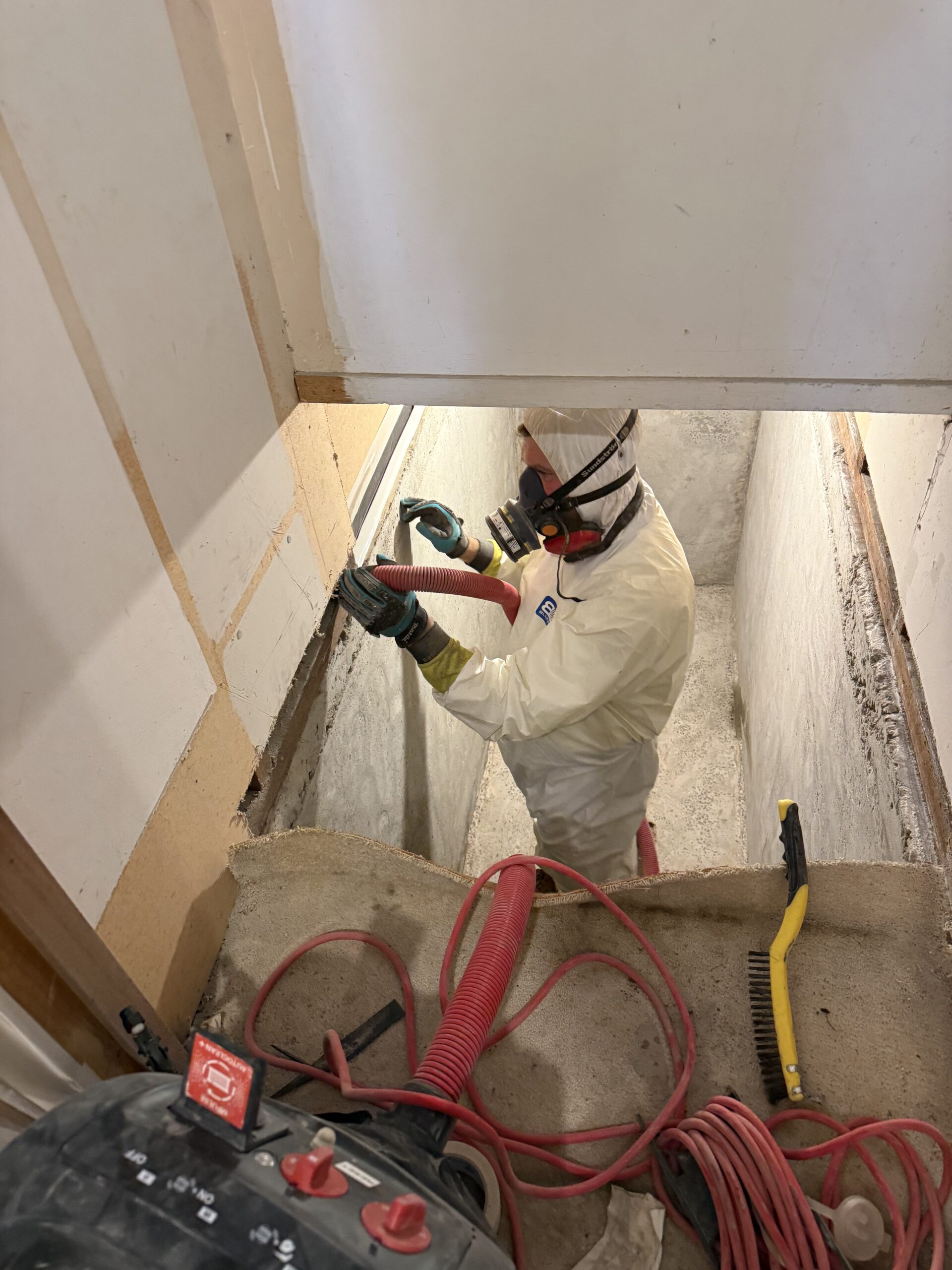
- Installed plastic containment barriers with zipper doors to isolate the cellar from the living quarters.
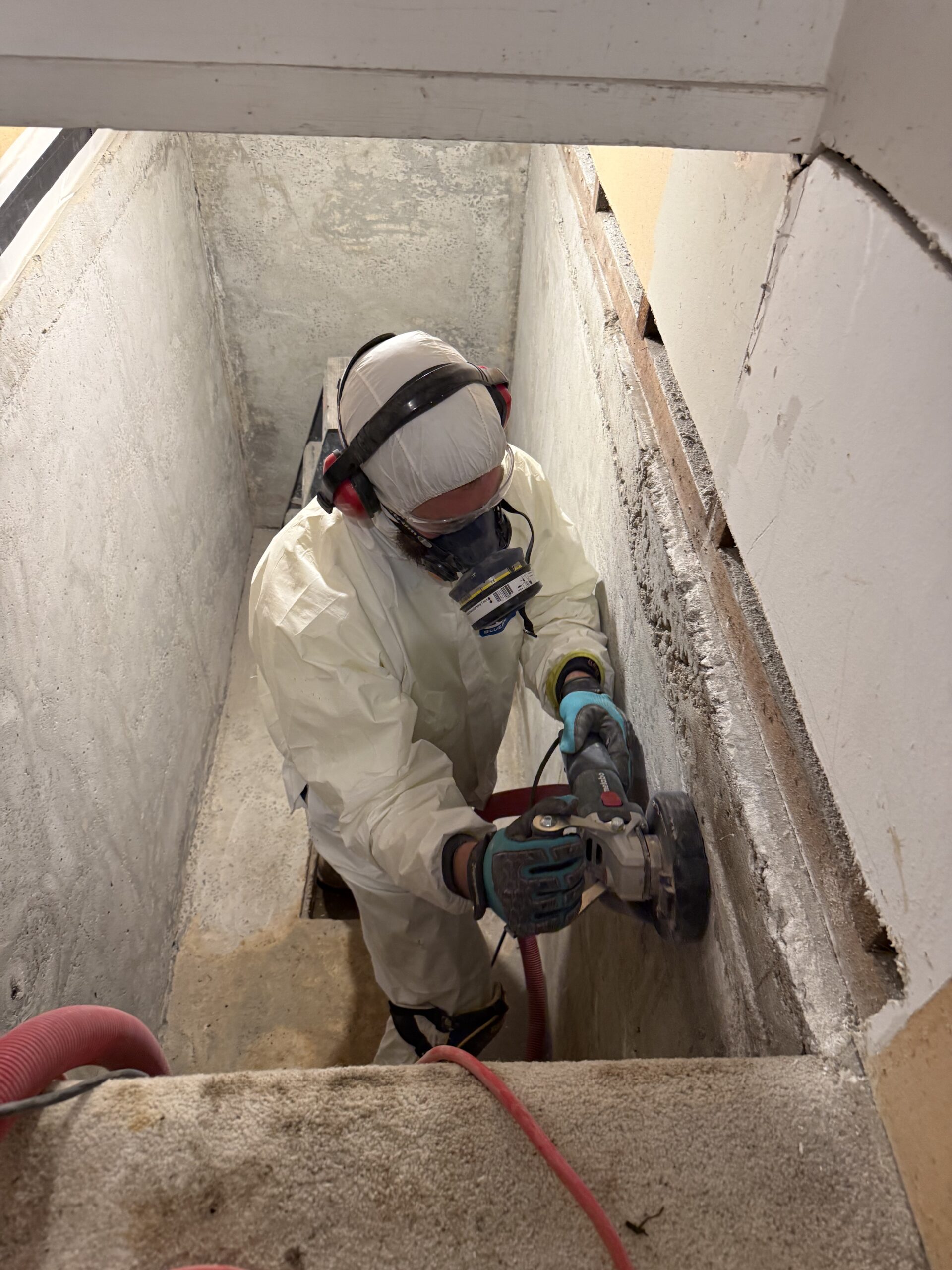
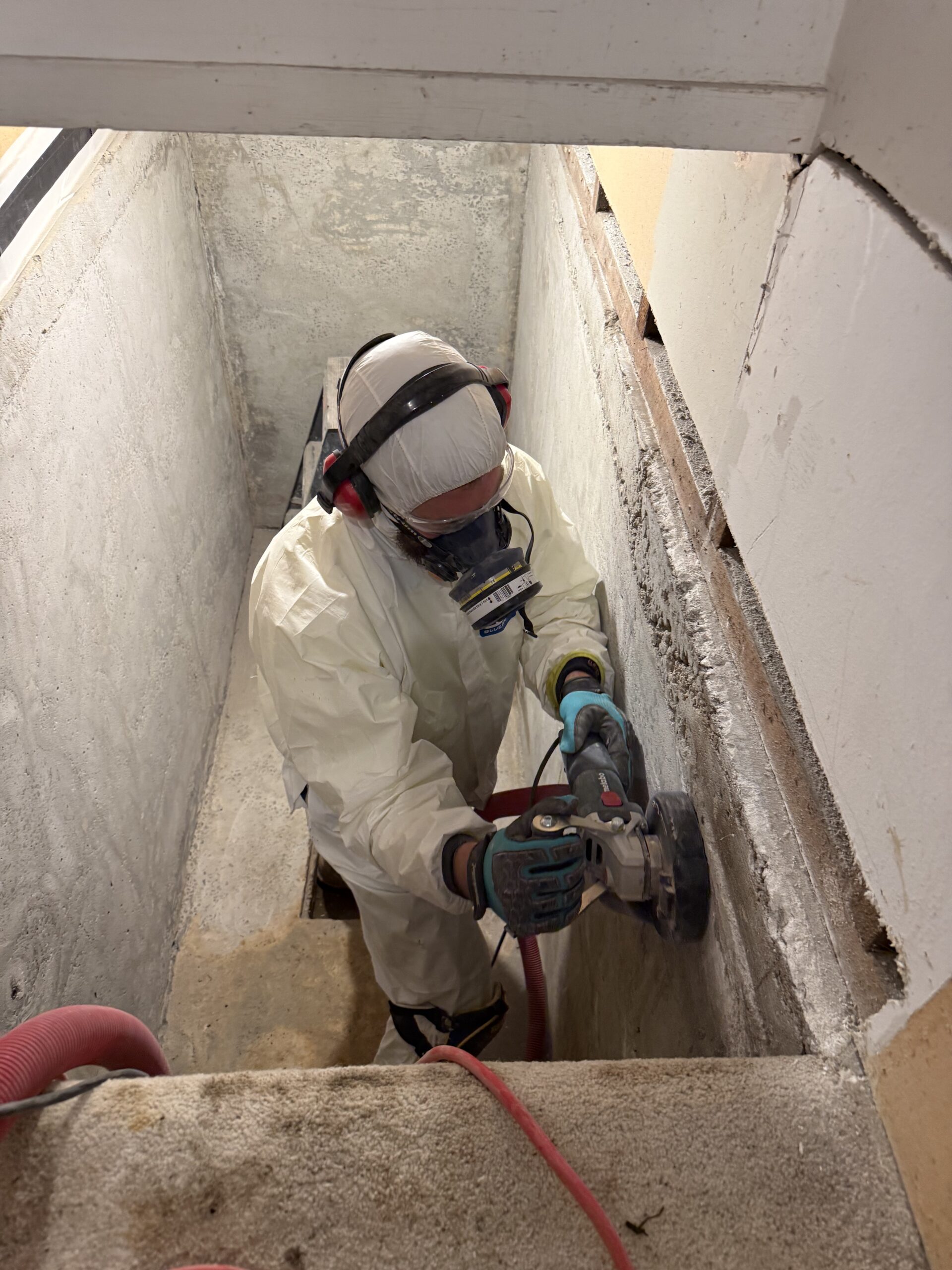
- Deployed an air scrubber and used a Metabo M-Class wet/dry vacuum with a Floorex GrinderTec 125mm grinder to capture fine masonry dust during preparation.
- Substrate Preparation and Efflorescence Treatment:
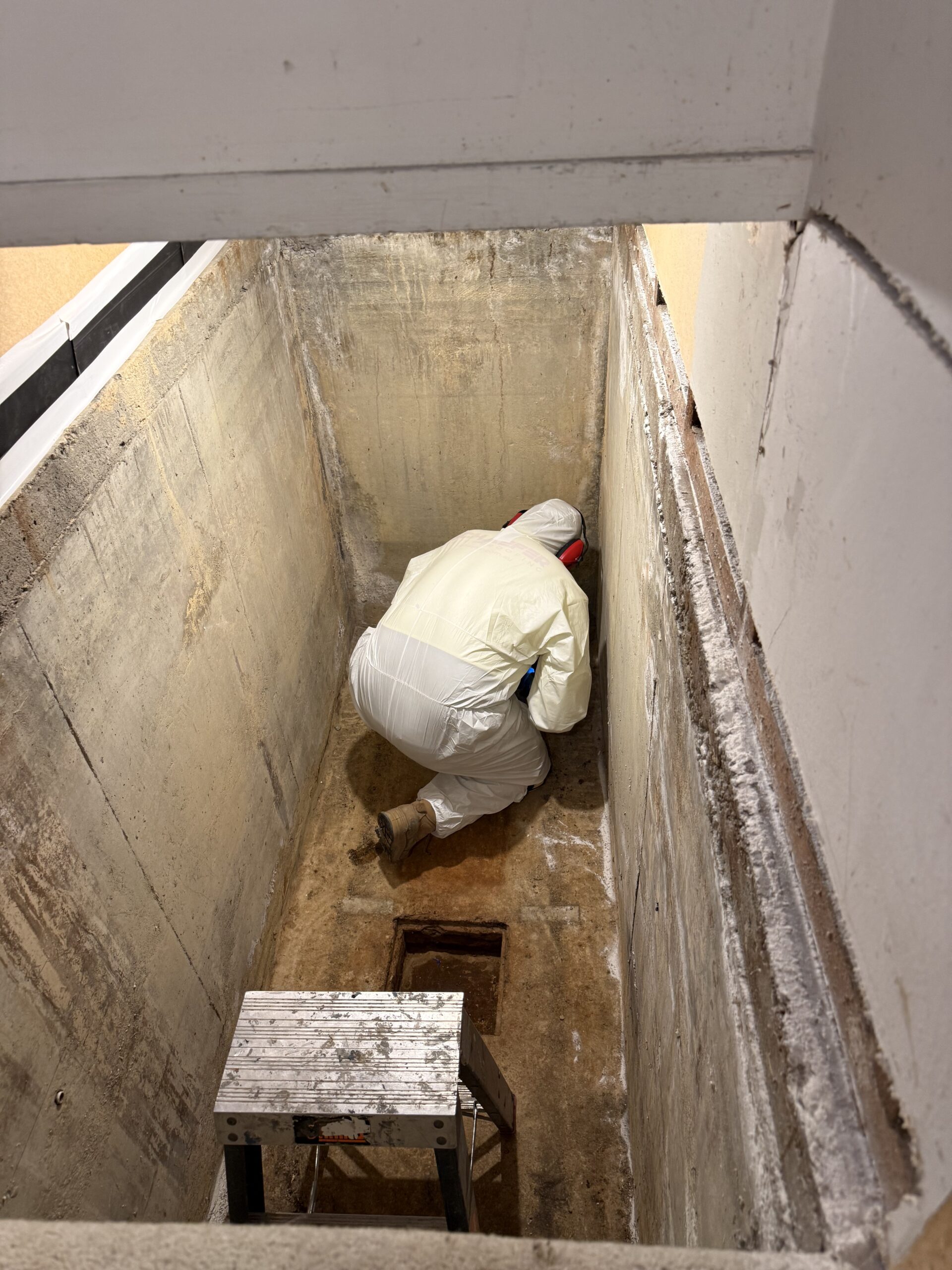
- Ground back the masonry substrate using diamond tooling to remove surface contaminants and imperfections, creating an open-pored profile.
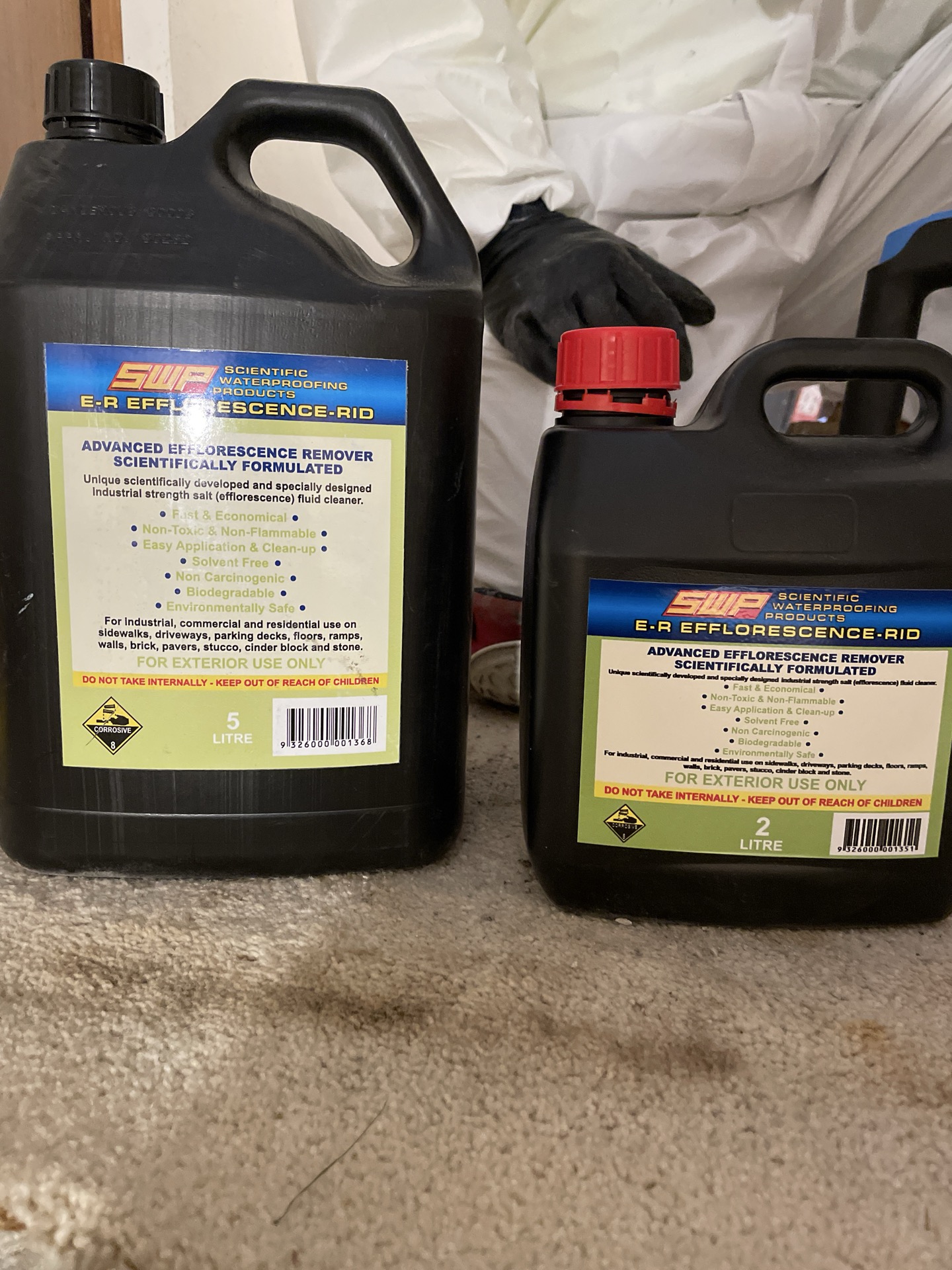
- Applied four coats of SWP Efflorescence Rid solution until all reactive salt foaming ceased, thoroughly washing the area with clean water to neutralise contaminating minerals.
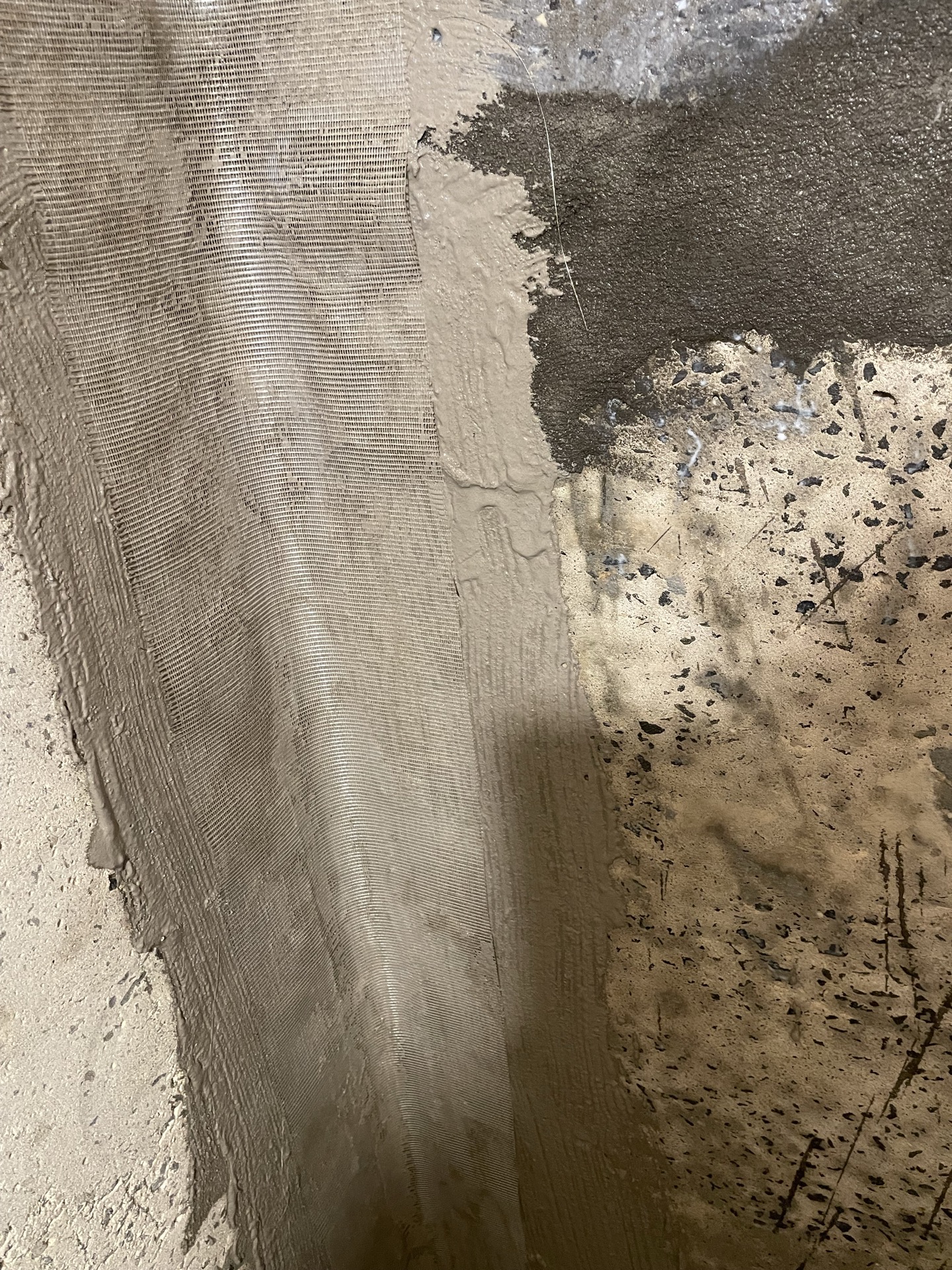
- Structural Patching and Junction Detailing:
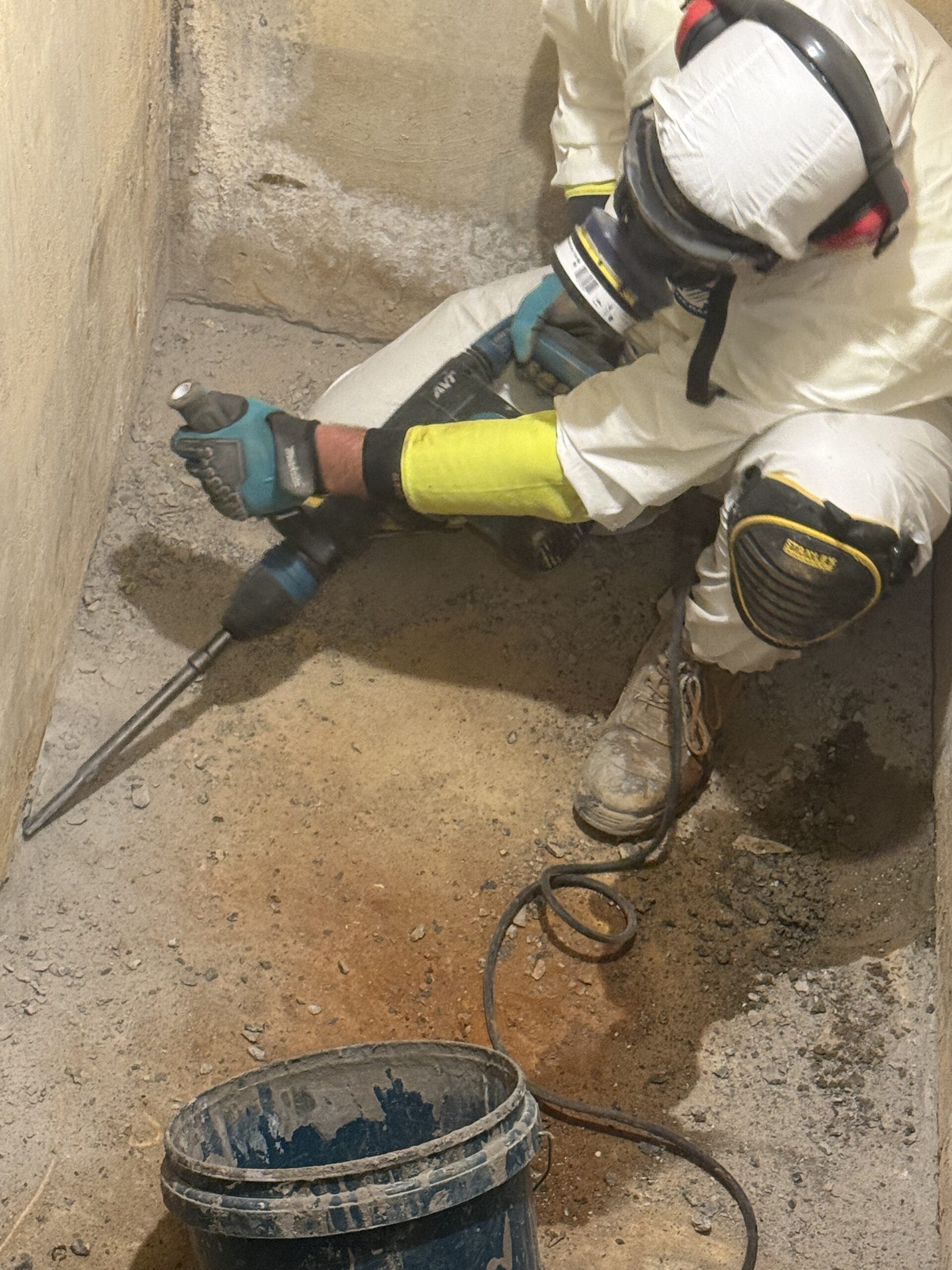
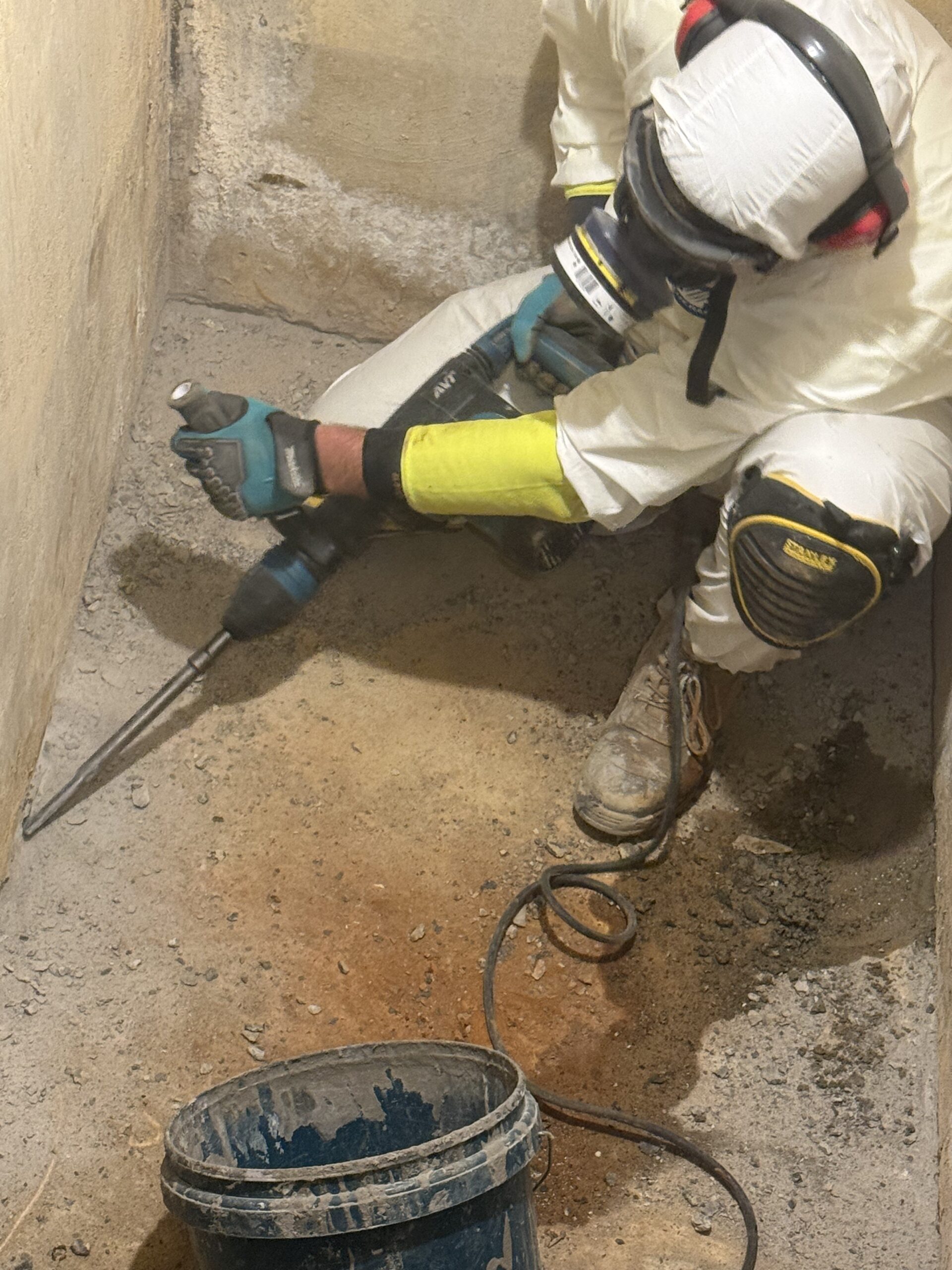
- Areas of spalling concrete were patched using SikaQuick Rapid Repair Mortar mixed with WPM 300 HydrEpoxy.
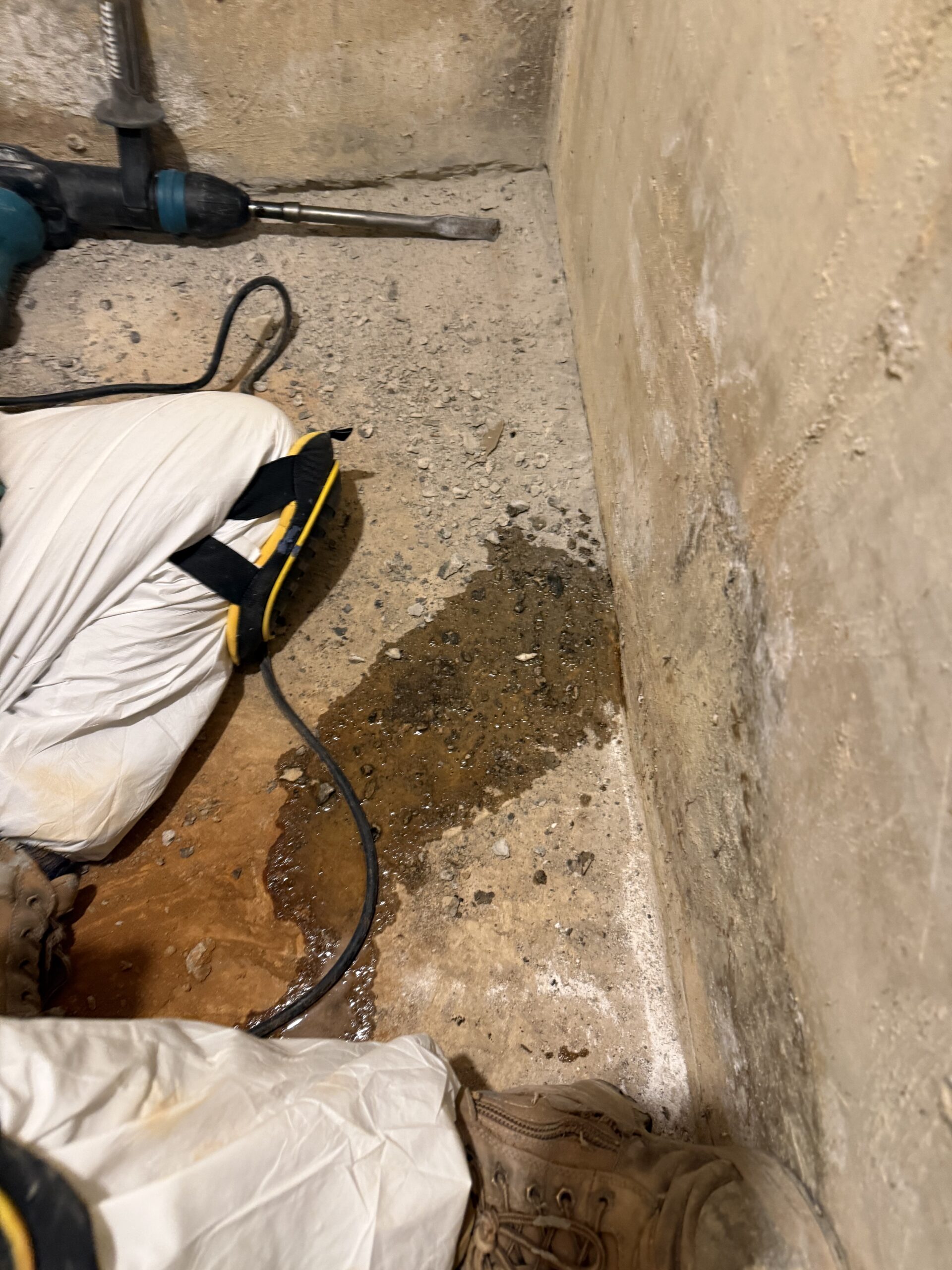
- Filled and leveled the existing sump pump pit cavity with structural repair mortar to establish a stable, continuous floor base.
- The wall-to-wall and wall-to-floor junctions were chased, ready for Drizoro MaxPlug hydraulic cement.
- Hydraulic Water Plug and Vapour Barrier Application:
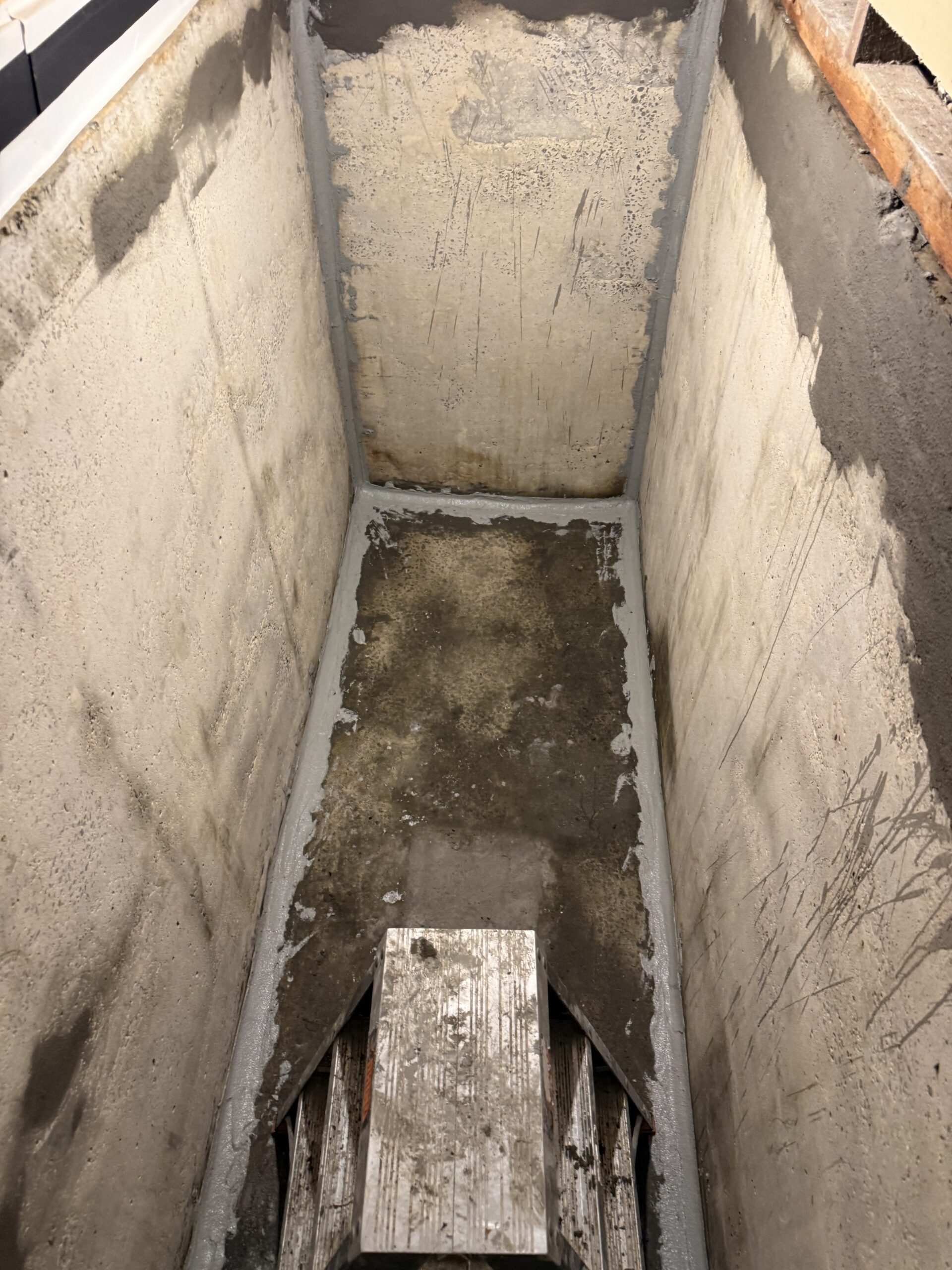
- Hand-applied Drizoro MaxPlug hydraulic cement along all chased junctions and active joint openings to create a watertight structural seal.
- Coated the substrate with MaxSeal Ultra masonry blocker to act as a vapour barrier, stopping moisture vapour transmission and preventing future efflorescence from debonding the topcoats.
- Multi-Coat Waterproofing Membrane:
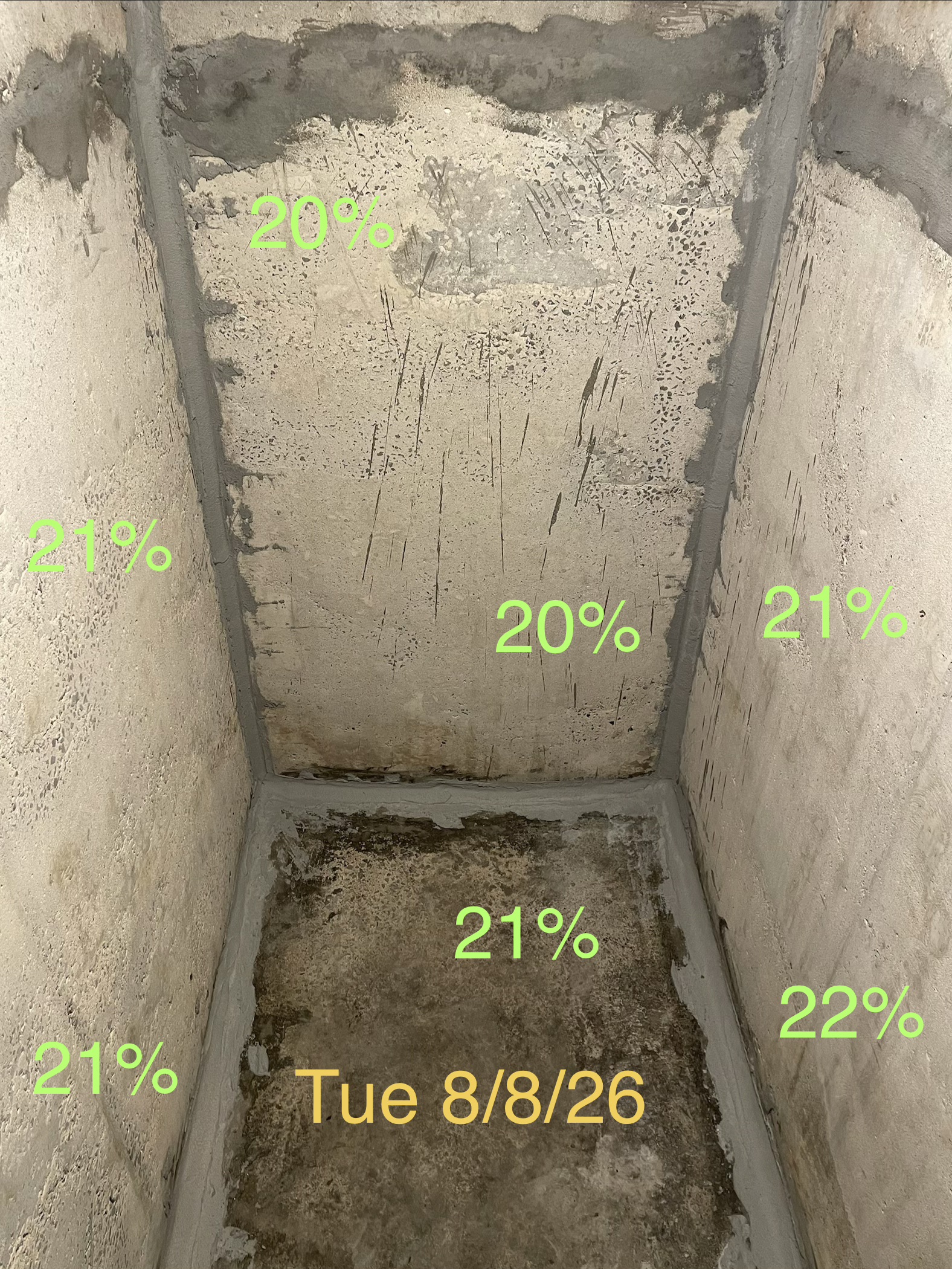
- Verified that substrate moisture levels dropped below the required 20% threshold using moisture testing.
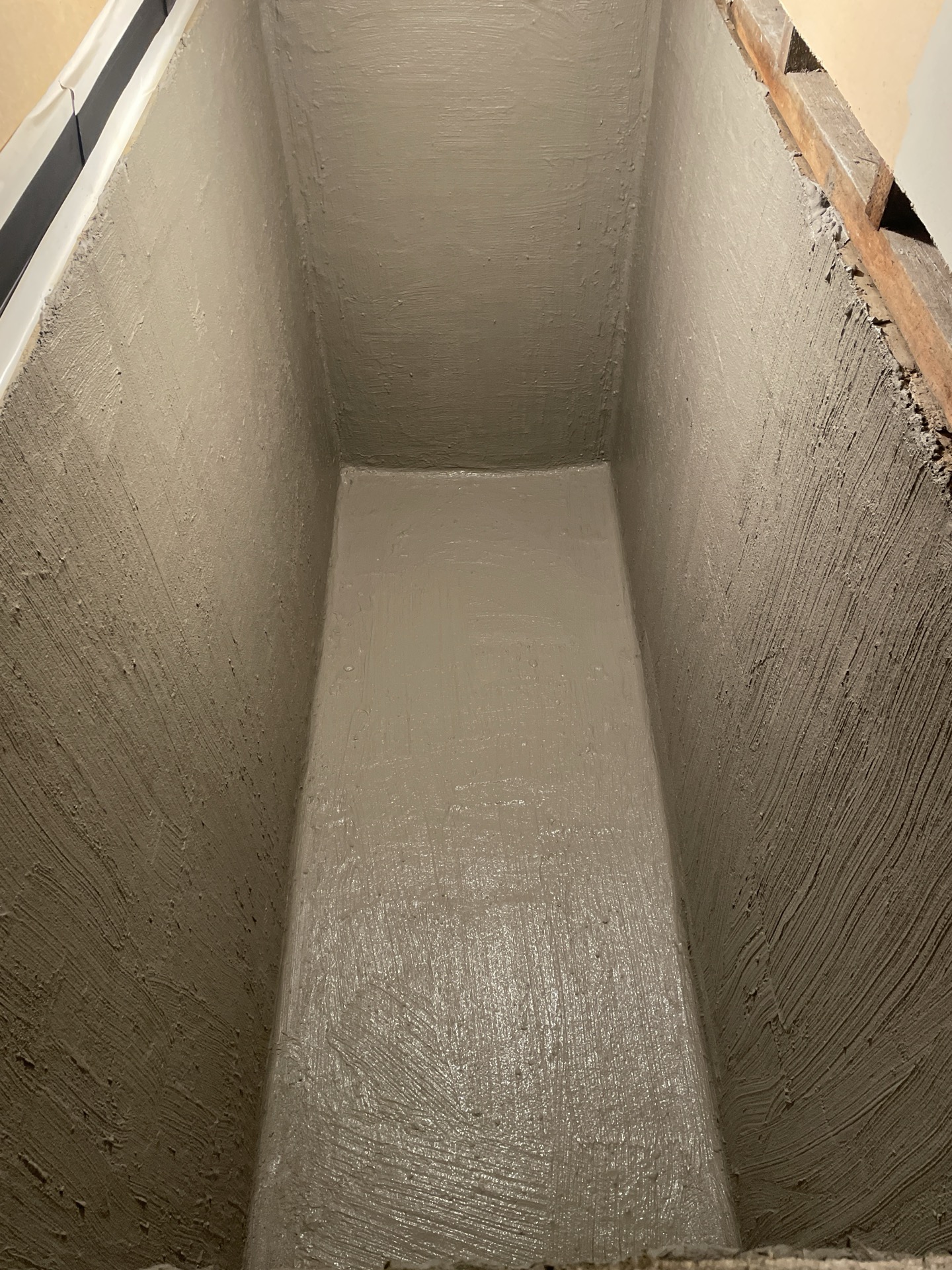
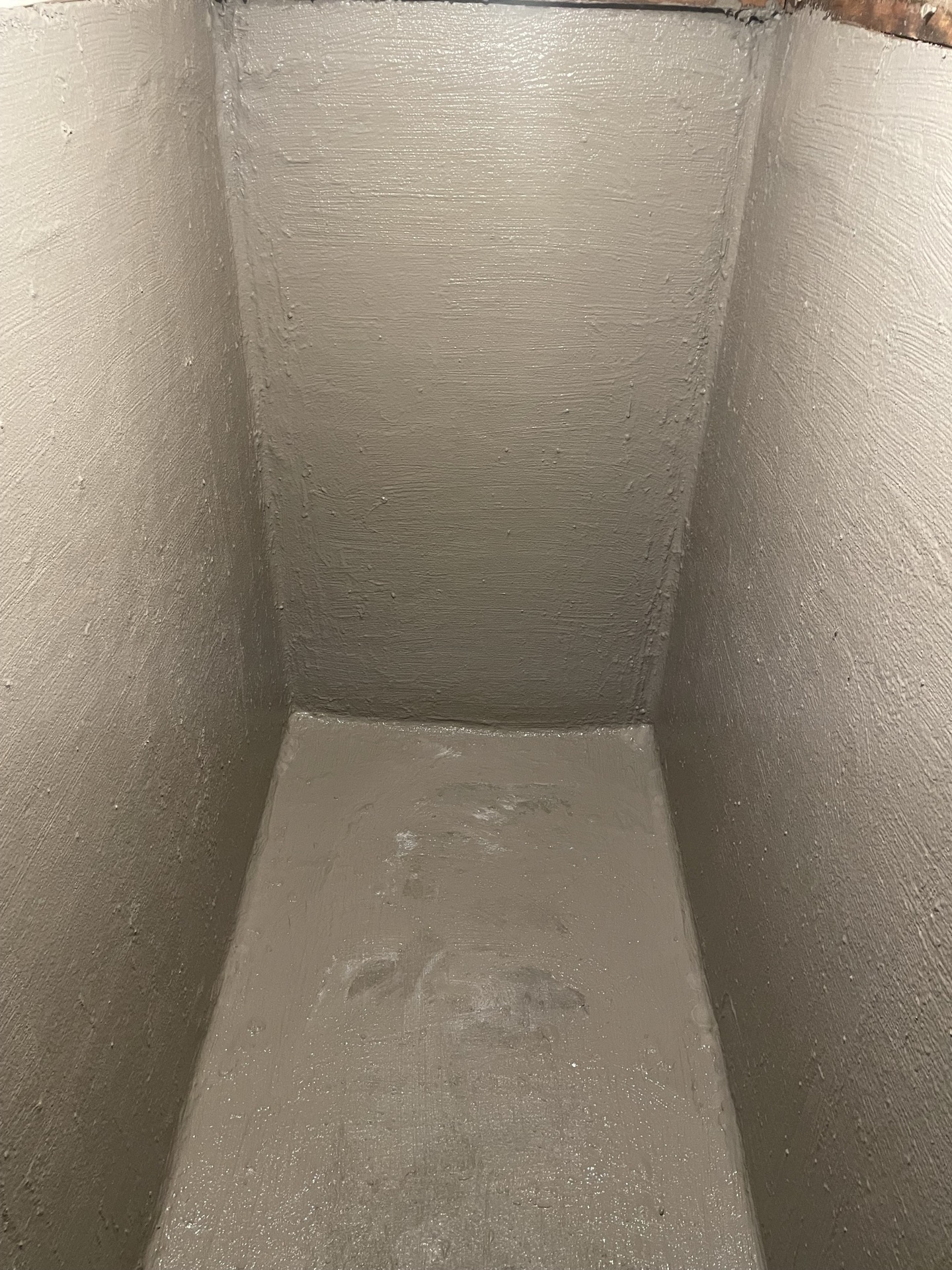
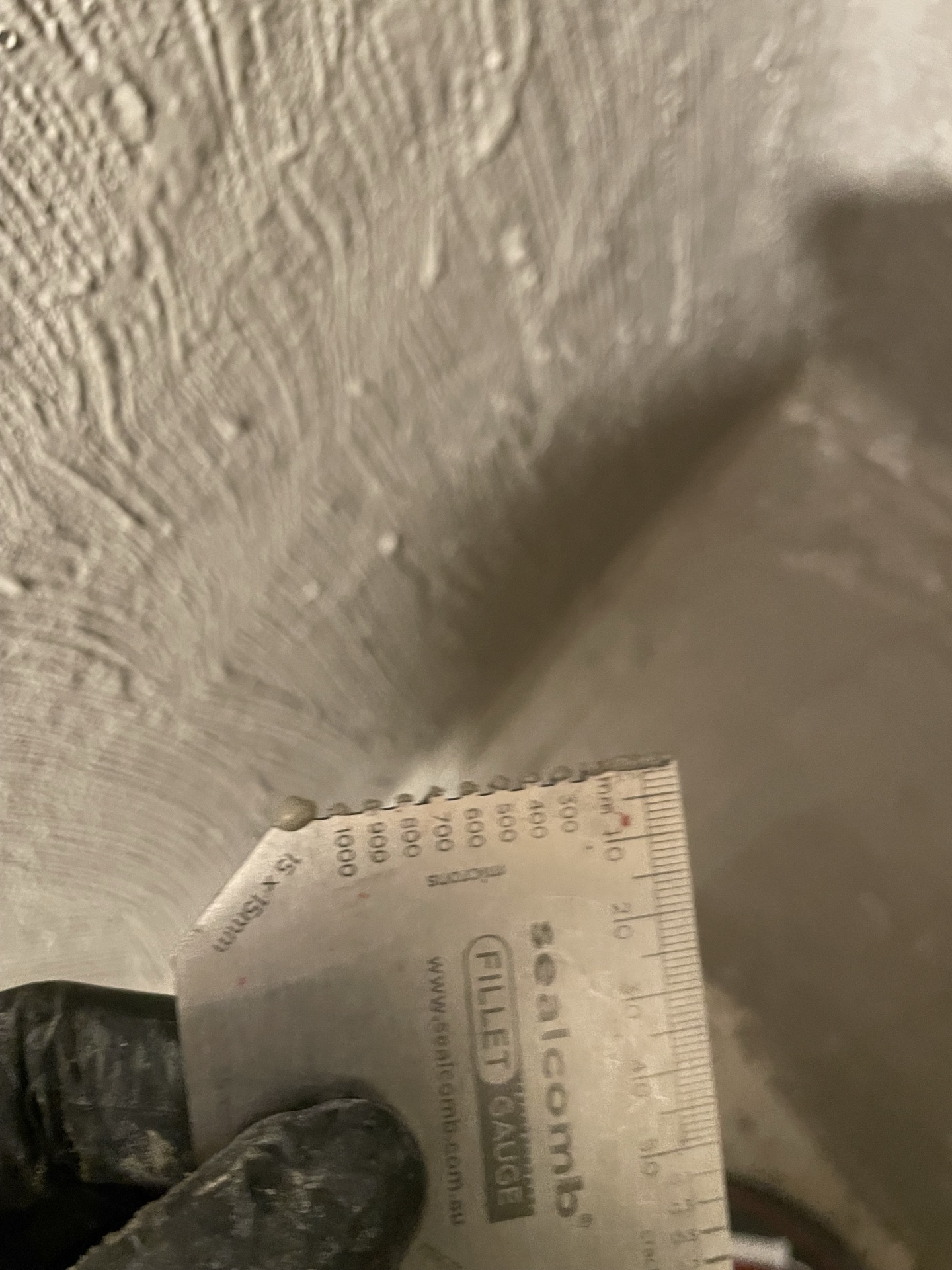
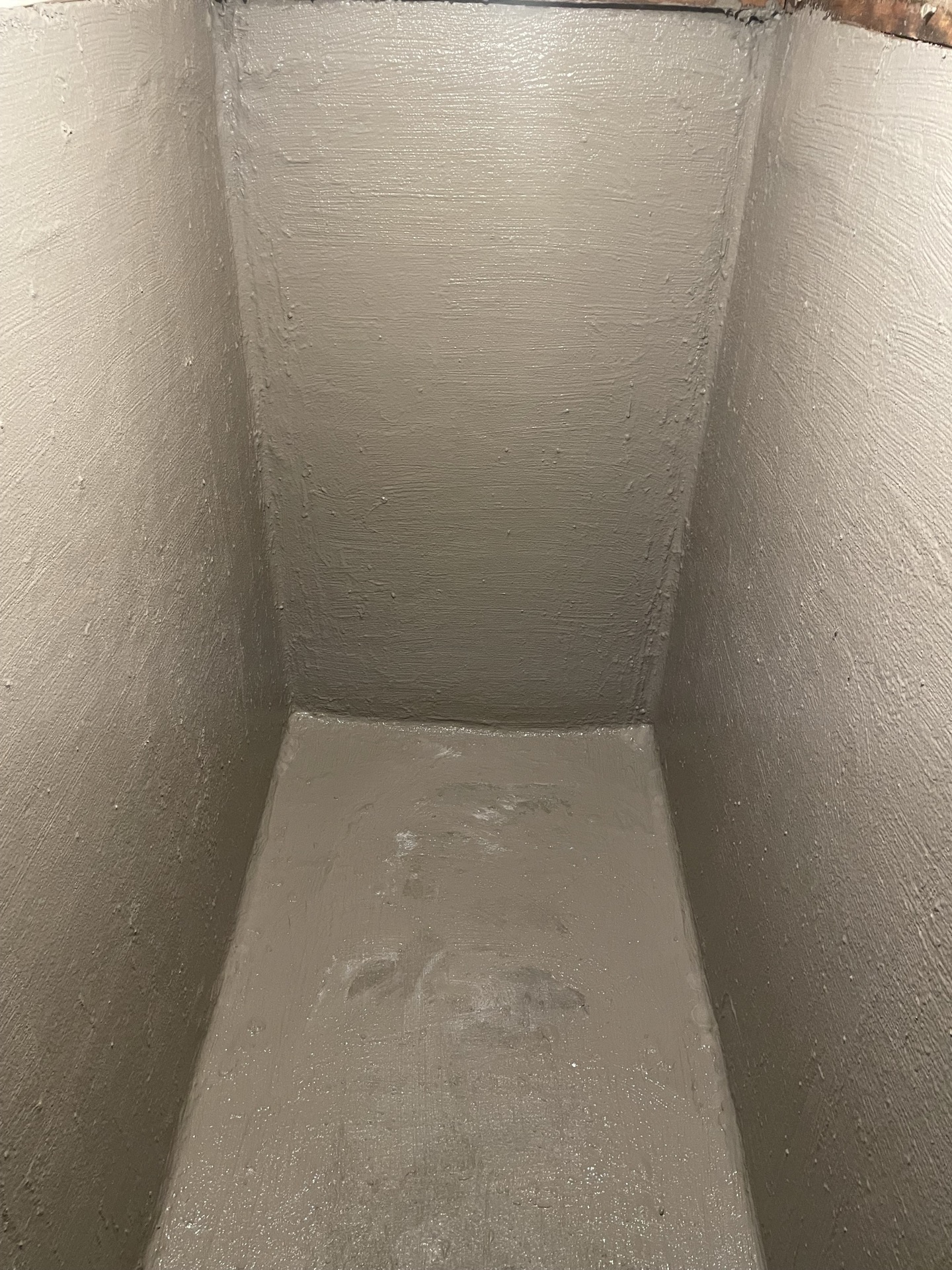
- Applied three full coats of Drizoro MaxSeal Flex membrane at 1,000 microns wet film thickness per coat – exceeding standard two-coat specifications to ensure maximum resistance against hydrostatic head pressure.
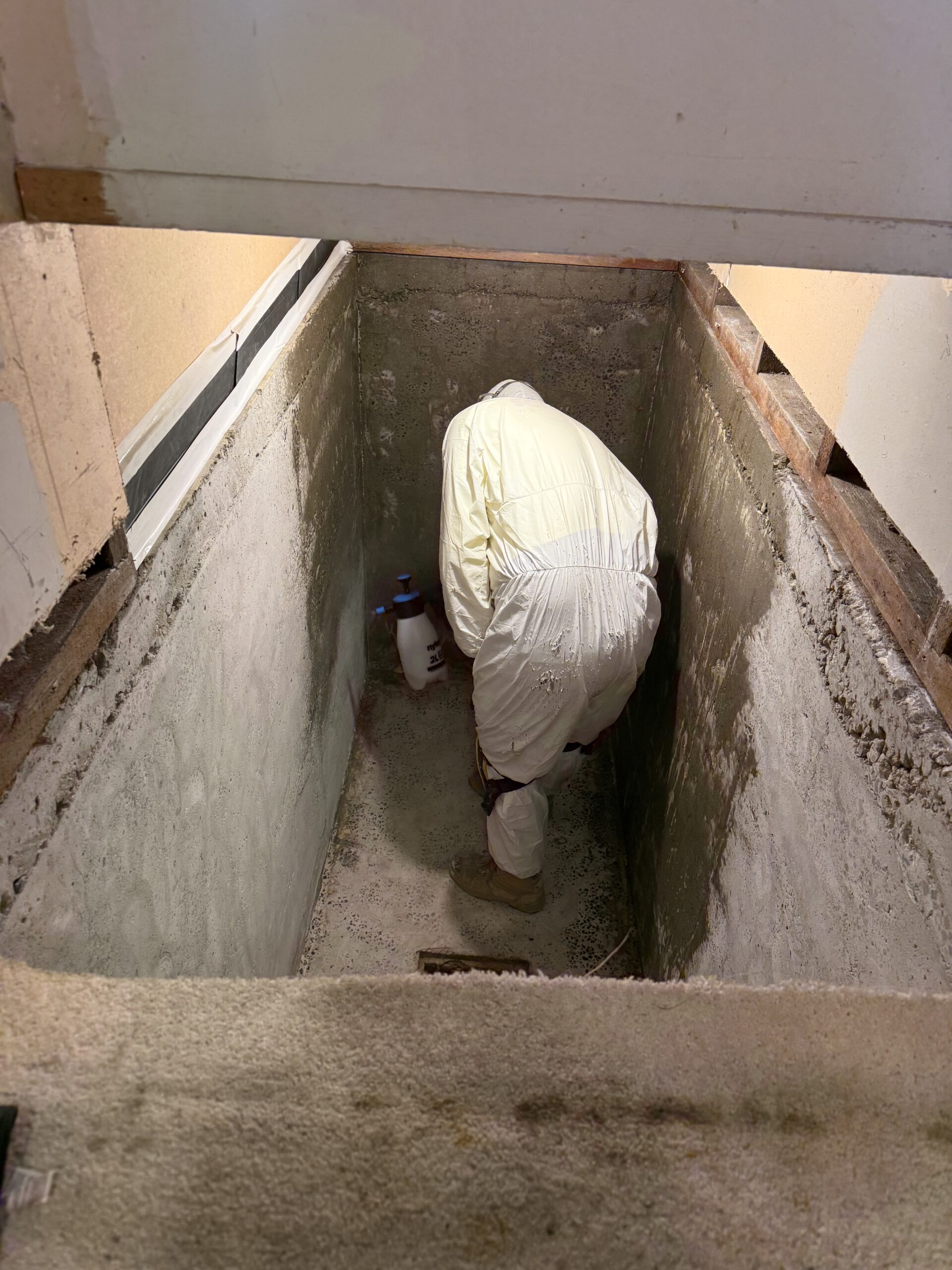
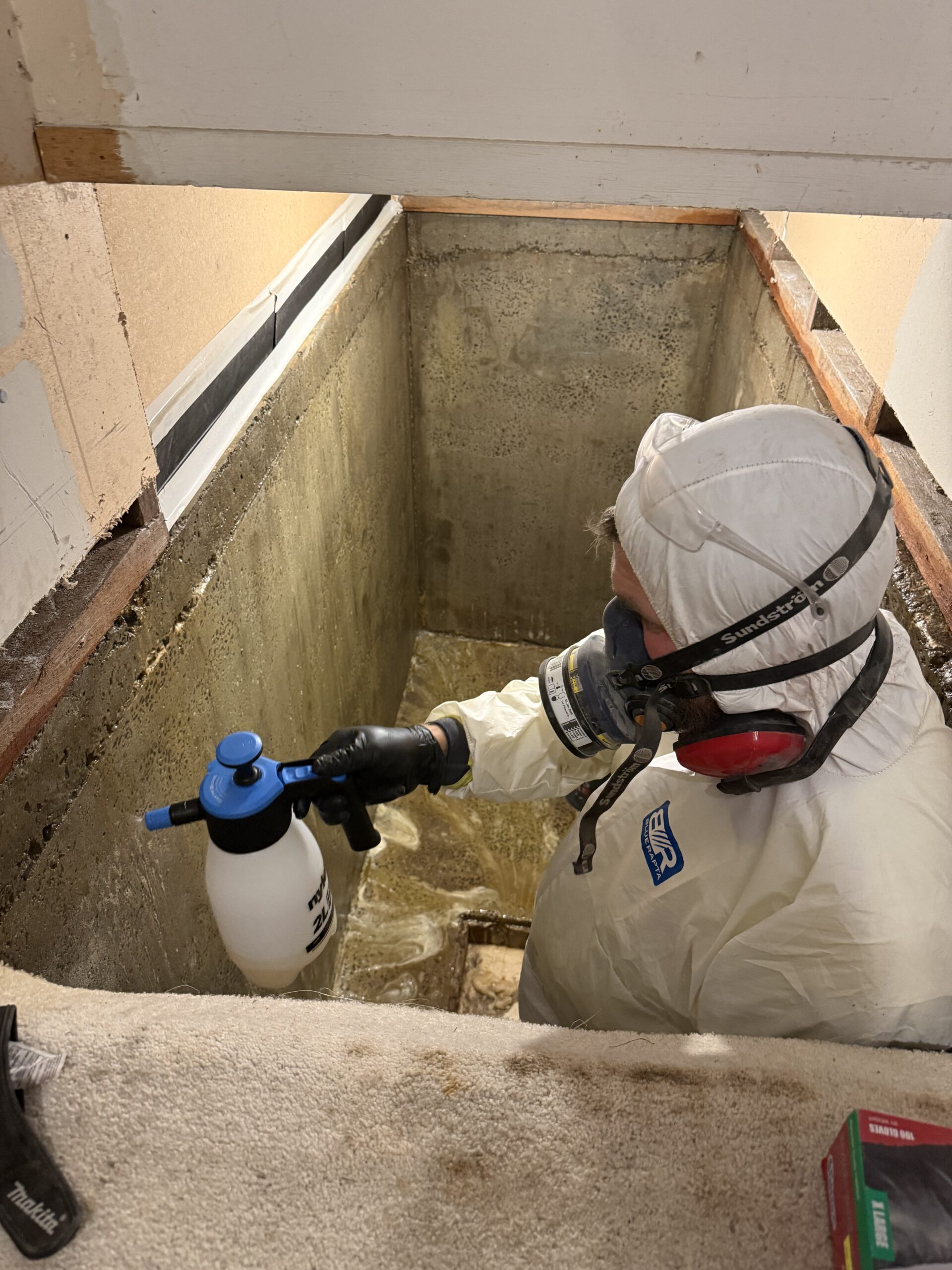
Results
Our targeted negative-side remediation eliminated water ingress and neutralised airborne contaminants, transforming a hazardous underground space back into a pristine, dry basement wine cellar.
Long-term benefits
- Health and living environment: Eradicated the source of mould and musty odours, protecting residents from respiratory hazards.
- Hydrostatic protection: High-performance Drizoro membrane holds back subterranean water table pressure without debonding.
- Substrate longevity: Neutralising salt efflorescence and filling joint voids prevents long-term concrete spalling and masonry decay.
FAQs
Can you waterproof a leaking basement wine cellar from the inside?
Yes. When exterior excavation isn’t possible, negative-side waterproofing applies a specialised membrane system directly to the interior masonry walls. Using hydraulic water plugs (like Drizoro MaxPlug) at wall-floor junctions and breathable moisture barriers (like Drizoro MaxSeal Flex), water ingress and efflorescence can be stopped from the inside without digging up surrounding ground or landscaping.
How do you stop mould and musty smells in an unventilated subterranean basement?
Stopping basement mould requires a two-step approach: first, eliminating moisture ingress through negative-side waterproofing and vapour sealing, and second, chemically neutralizing existing efflorescence salts and mould spores. Once the substrate is sealed dry, controlled mechanical ventilation or dehumidification can be installed safely to maintain air quality.
Why are basements in Eastern Melbourne (like Doncaster) prone to dampness and efflorescence?
Suburbs across Melbourne’s east and north sit on heavy reactive clay soils. Clay retains high volumes of groundwater after rain, expanding and exerting intense hydrostatic pressure against subterranean concrete and brickwork. This pressure forces water through porous masonry and micro-cracks, leaving white salt deposits (efflorescence) and trapping moisture in unventilated spaces.
Service: Basement Waterproofing and tanking, efflorescence removal, structural repair mortar patching, sump pit filling, and hydraulic water plug installation.
Application: SWP Efflorescence Rid, SikaQuick Rapid Repair Mortar, Ardex WPM 300 HydrEpoxy, Drizoro MaxPlug, MaxSeal Ultra masonry blocker, and Drizoro MaxSeal Flex
Solution: Negative-side vapour sealing, fillet cove construction, floor-to-wall hydraulic plug installation, and 3-coat heavy-duty Drizoro membrane system
Time to complete: Two weeks
Leaking basement?
See how Schaefer Waterproofing can solve your waterproofing challenges with the same expertise and care we’ve brought to 500+ completed projects. Schedule your inspection today and discover why home owners and property managers across Melbourne trust us to protect their most valuable assets.

Latest News
Stay informed with waterproofing news and updates.
Why waterproofing matters more than ever in Melbourne’s climate
Melbourne's weather has always been famously unpredictable, but recent years have brought new challenges. The changing weather patterns, think this Spring 2025, has put added pressure on already vulnerable waterproofing systems.
Leaking Basement in Melbourne? Rising Water Tables Could Be the Cause
Is your Melbourne basement leaking? Rising water tables in inner-city suburbs like Richmond and Southbank are causing costly structural damage. Discover how hydrostatic pressure impacts foundations and which waterproofing solution is right for your property.
5 major signs of water damage owners corporations should look out for
Early detection of water entry is critical for owners corporations. Minor leaks caught early might cost a few hundred dollars to repair, while extensive damage can easily exceed tens of thousands of dollars. Learn how to spot the signs of water damage.